
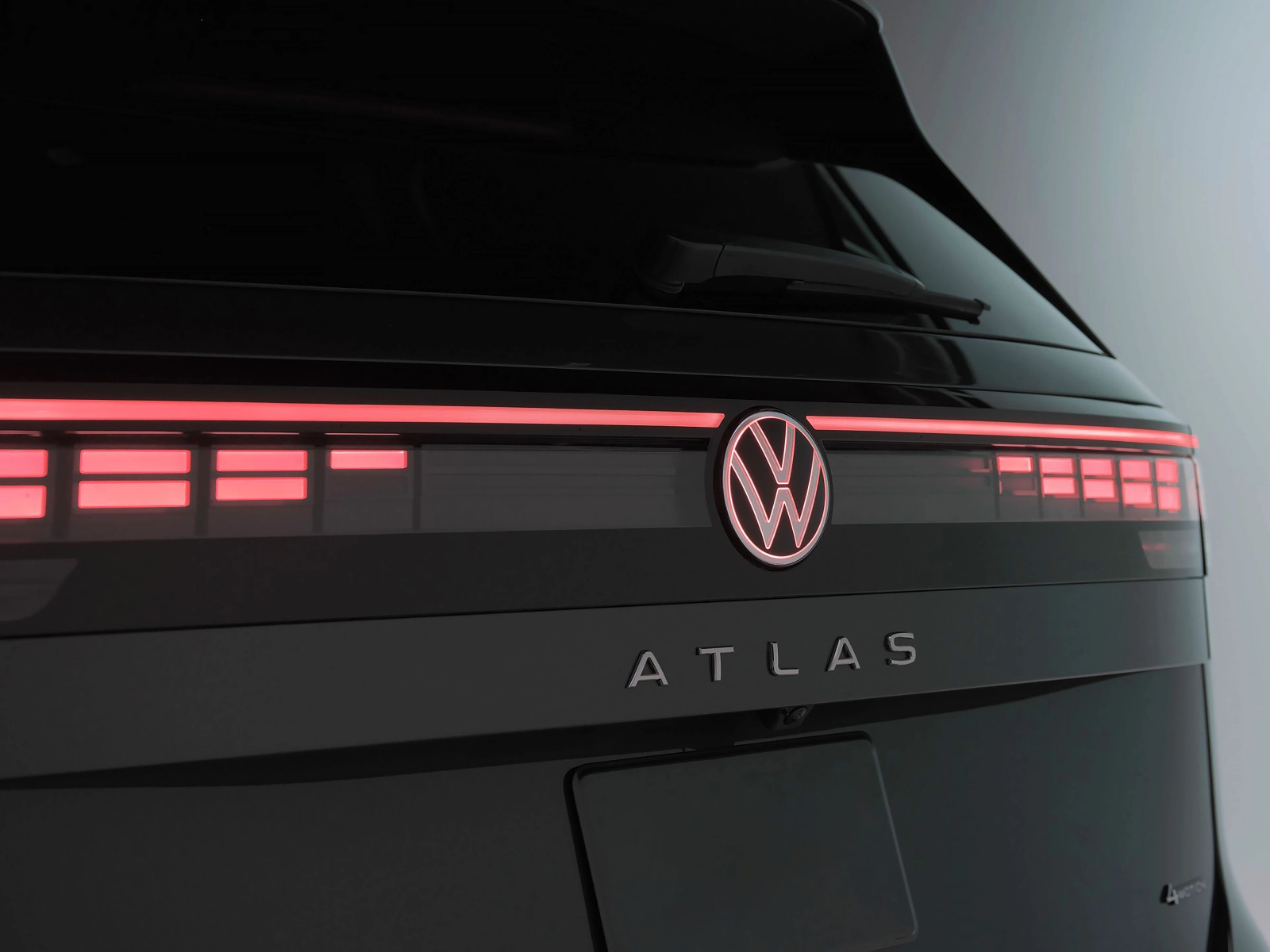
The car giant Volkswagen is facing a turning point that risks shaking not only the German economy but the entire European industrial landscape to its foundations. The group's management is considering unprecedented measures: closing four major plants in Germany and massively expanding its layoff program.
If these plans are implemented, we will witness the most extensive and aggressive reorganization in the modern history of the automotive industry.
Sources inside the company confirm that members of the Volkswagen Supervisory Board have already been informed about this crisis scenario. The final decision will not be taken lightly, with the detailed plan to be discussed at a crucial meeting scheduled for July 9.
The production facilities targeted for complete closure house tens of thousands of destinies and a huge industrial history:
Hanover (flagship plant for commercial vehicles);
Zwickau (the central pillar of the group's electrification strategy);
Emden;
The Audi factory in Neckarsulm.
The social toll of the disaster: The closure of these four assembly plants would directly endanger more than 45,000 jobs. This wave of layoffs does not come alone, but is in addition to the approximately 50,000 layoffs already planned by the group. In total, almost 100,000 employees are at risk of leaving the Wolfsburg giant.
Although Volkswagen has been a symbol of economic stability for decades, management has repeatedly warned that the current business model has become completely unsustainable. The company has found itself caught in the middle of a “perfect storm” fueled by three major factors:
China's suffocating offensive: Chinese electric vehicle manufacturers are advancing at a rapid pace, offering cutting-edge technology at much more competitive prices.
American protectionism: High tariffs imposed by the United States on automobile imports are strangling profitability in one of the most important foreign markets.
Demand collapse in Europe: In the home market, consumer appetite for new cars has fallen dramatically, leaving German production lines operating well below capacity.
Behind these radical measures are CEO Oliver Blume and CFO Arno Antlitz. The two are not just pursuing simple cost-cutting, but a profound structural reconfiguration of the corporation. Their shock plan includes an extremely bold corporate move: separating the core Volkswagen brand and the components division into completely separate legal entities.
However, investors are viewing the plan with great skepticism. Immediately after the information was leaked, Volkswagen shares fell 3.4%, falling to their lowest level in 16 years.
The market is thus sending a clear signal: restructuring will be an extremely tough war of attrition, especially in the context in which the German unions (IG Metall) hold enormous power and have already promised barricades against any collective layoffs. July promises to be a fiery month for the future of the European automobile.