
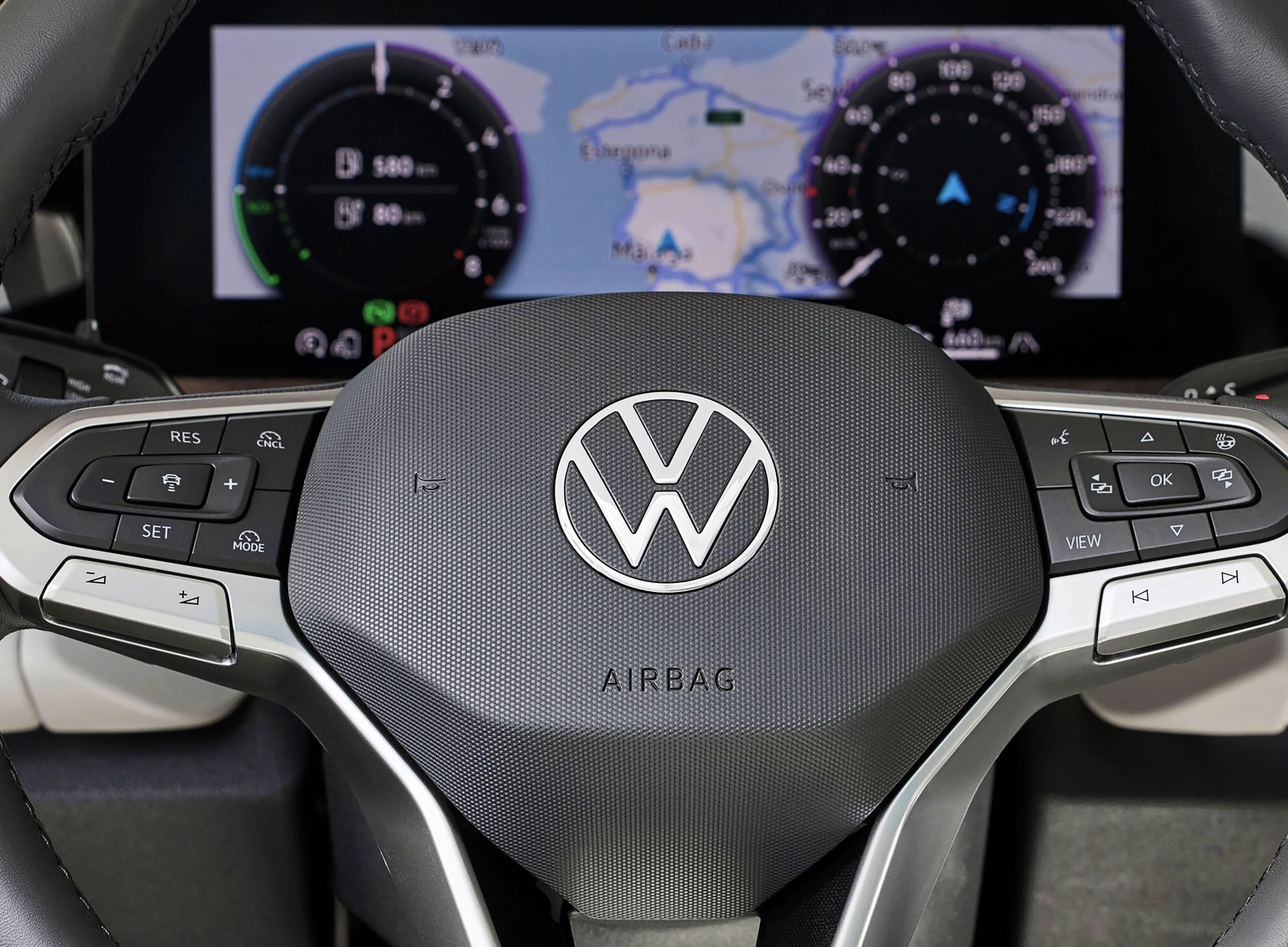
The Volkswagen Group, Europe's largest carmaker, is undergoing the most radical transformation in its recent history. CEO Oliver Blume has officially announced that the German giant will reduce its workforce by 50,000 employees by 2030. In a globalized industry, the legitimate question that arises is: how will Romania feel this shockwave?
At the group's annual general meeting, Volkswagen's management presented a stark picture of the current economic reality. To remain competitive in the face of the onslaught of Chinese brands and the difficult transition to electrification, the Wolfsburg-based manufacturer is implementing unprecedented austerity measures.
The main measures announced by Oliver Blume:
Although the measures have already generated savings of one billion euros and production costs in Germany have fallen by more than 20%, Blume warned that deteriorating market conditions and external pressures are “swallowing up” most of the benefits. The ultimate target remains net savings of 6 billion euros annually by the end of the decade.
At first glance, one might tend towards a negative answer, given that Volkswagen AG does not have its own car assembly plant in Romania (as is the case with Dacia in Mioveni or Ford Otosan in Craiova). The group's direct presence is limited to the distribution network (Porsche Romania).
However, in an interconnected economic system, Romania will undoubtedly be indirectly, but significantly, affected. The impact will manifest itself on three main levels:
Romania is one of the major suppliers of automotive components to the giants in Germany. Major companies operating in the country (such as Continental, Dräxlmaier, Leoni, Bosch or Schaeffler) directly deliver parts, wiring harnesses, electronic systems and subassemblies to the Volkswagen, Audi and Porsche plants.
When Volkswagen reduces its global production capacity by millions of vehicles, the volume of orders to the factories in Romania will decrease proportionally. This may lead to staff restructuring or reduced working hours in our component factories as well.
Among the German entities affected by the restructuring is Cariad, the software division of the automotive group. Romania has an extremely strong IT sector, and many local technology companies or subsidiaries of German groups provide R&D (Research and Development) and software development services for the German automotive industry. A cut in Cariad's budgets will put pressure on outsourcing contracts in the Romanian IT market.
The decrease in production capacity and the simplification of the product range (reduction of model complexity) will reconfigure the offers of car dealers in Romania. Romanian customers could face modified waiting times for certain models or the permanent disappearance of some engine or equipment versions.
Volkswagen's new strategy relies on simplifying platforms, less complex electronic architectures and greater regional autonomy. While in the long term these measures could save the auto giant, in the short and medium term, the severe "diet" prescribed by Oliver Blume will send shivers down the spines of Eastern Europe.
Romania will not see factories closed overnight, but the domestic industrial sector – which represents a significant share of the country's GDP – will have to quickly adjust its sails according to the new direction dictated from Wolfsburg.