
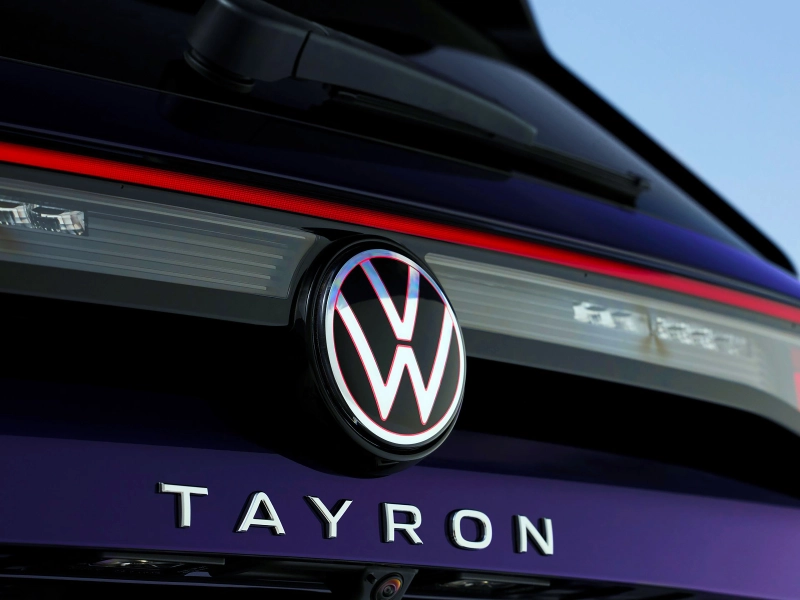
In a global landscape marked by skyrocketing energy prices and an unpredictable conflict in Iran, car giant Volkswagen appears to be facing a historic decision. A possible collaboration with the Israeli defense industry could save thousands of jobs, but risks permanently changing the DNA of the Wolfsburg brand.
OSNABRÜCK, Germany – The European auto industry, already weakened by the difficult transition to electric, is receiving a new blow to its image and strategy. While Romanian drivers watch helplessly as the figures on the gas station signs have exceeded the psychological threshold of 10 lei per liter, scenarios are being discussed at Volkswagen headquarters that, until a year ago, seemed like the realm of political fiction: transforming civilian assembly lines into production centers for military equipment.
The conflict that erupted in Iran at the end of February has destabilized international markets faster than any crisis in the last decade. For the Volkswagen Group, the pressure is twofold. On the one hand, production costs have exploded. On the other hand, demand for niche models, such as the T-Roc Cabriolet, has evaporated in a war economy where pragmatism takes precedence over style.
The Osnabrück plant, the "home" of the convertible, is at a critical point. With the planned withdrawal of the T-Roc model next year, around 2,300 employees see their future in question. In this vacuum of activity, information emerged that sent shockwaves through German industry: negotiations with the Israeli company Rafael Advanced Defense Systems.
According to sources cited by the Financial Times, the planned partnership would transform Volkswagen's logistical and engineering expertise into support for the Iron Dome defense system. It is not necessarily about assembling the missiles themselves, but about:
For Osnabrück, this contract would mean job security for the next decade. For the rest of the world, it would represent a major pivot for a brand that built its post-war identity on the idea of a “people’s car” (Volkswagen), not a supplier to theaters of operations.
"If Volkswagen takes the step into the defense industry, it is not just saving a plant, but redefining the role of large German corporations in Europe's new security architecture," say industry analysts.
Despite the details that have emerged, the German group's management is maintaining a defensive position. In an official statement, Volkswagen tried to quell speculation, stating that it ruled out weapons production at the Osnabrück plant.
However, in corporate parlance, the distinction between “weapons” (lethal) and “transport or logistical support equipment” (non-lethal) is often the gray area where major contracts are signed. It remains to be seen whether pressure from unions, concerned about the 2,300 families who depend on this plant, will outweigh the reluctance to associate the VW logo with the defense industry.
In Romania, the immediate impact remains at the pump. With a price of over 10 lei per liter, mobility is becoming a luxury, and any additional instability in the Middle East could push the Volkswagen Group and other manufacturers towards increasingly radical crisis solutions.
Osnabrück could thus become the symbol of the new European reality: the place where assembly lines for holiday cars are transformed, under the pressure of history, into support pillars for air defense systems.