
The global automotive market is witnessing a major new technological leap in the field of affordable electrification. Japanese manufacturer Toyota has officially unveiled a completely renewed generation of its hybrid system, a project developed from scratch that redefines standards for efficiency, compactness and industrial flexibility. The new power unit marks a strategic transition aimed at maximizing thermal and electrical performance, paving the way for future generations of the brand's vehicles.
The centerpiece of the new hybrid powertrain family is a completely new thermal engine, designed from the design phase specifically for integration into electrified systems, without being an adaptation of an existing conventional unit.
● Technical configuration: The new system combines a 1.5-liter, 4-cylinder in-line gasoline engine, offered in naturally aspirated or turbocharged versions.
● Universal replacement role: This new versatile unit is designed to take over the role played until now by two distinct engines in the brand's portfolio: the current 1.8-liter hybrid engine, as well as the 1.5-liter 3-cylinder engine.
● Advanced electronics: In addition to the revised thermal block, the system includes considerably lighter and more compact electric motors, new power control units (PCUs) and state-of-the-art inverters.
The main objective of the Japanese engineers was to eliminate any energy loss from the system, the results translating into remarkable fuel economy figures.
● Reduced consumption: The new hybrid generation promises a reduction in fuel consumption of over 15% compared to the brand's current generation of hybrid engines.
● Optimization factors: This equestrian and economical performance is achieved through a series of engineering innovations: significant reduction in mechanical friction, greatly improved thermal control of components, minimization of electrical power losses within the inverters and optimization of aerodynamic flow.
The compact dimensions of the new mechanical and electrical assembly represent a huge advantage in the manufacturing process and in creating much more aerodynamic bodies.
● Smaller footprint: Thanks to its reduced volume, the new powertrain allows for much easier integration into the engine compartment, leaving the generous space in the cabin untouched.
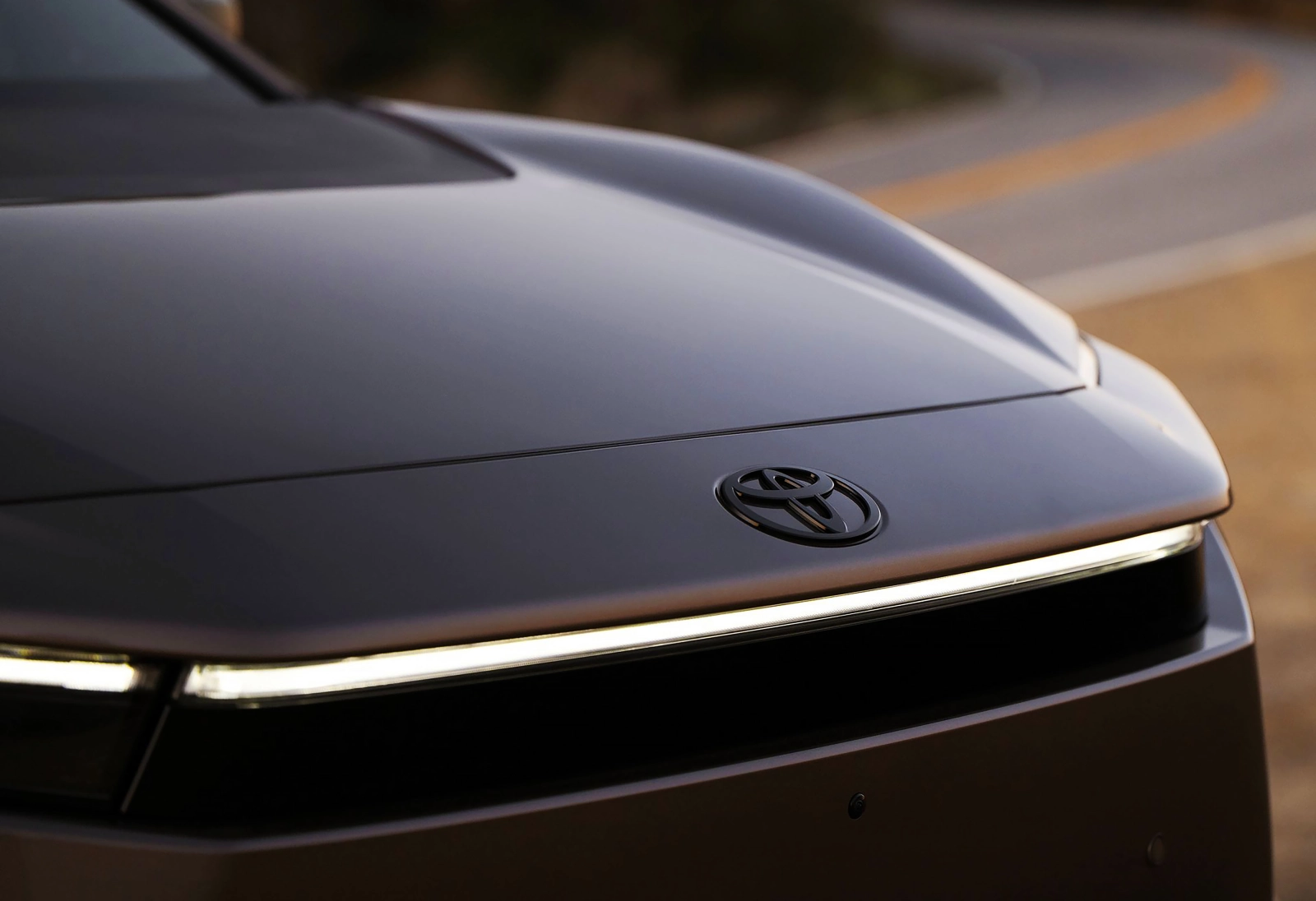
● Dynamic proportions: The lower profile of the hybrid-engine assembly facilitates a lowered hood line and superior aerodynamics, giving designers total freedom to shape fluid, modern silhouettes without compromising the practicality of the car.
Although the Japanese manufacturer has not officially confirmed, in the first phase, which will be the debut model that will inaugurate this technology, the strategy to replace the current 1.5-liter (3-cylinder) and 1.8-liter units indicates a series of natural candidates from the brand's European and international portfolio:
1. Toyota Yaris and Yaris Cross: Europe’s most popular small and B-SUV models, currently powered by the 1.5-litre engine, are the first to benefit from the efficiency gains and 15% fuel savings in urban areas.
2. Toyota Corolla: The brand’s best-selling compact model, which traditionally uses the 1.8-litre hybrid system, could adopt the new 1.5-litre naturally aspirated 4-cylinder unit as an entry point to the range or as a direct successor to the current base hybrid.
3. Toyota C-HR: The popular crossover coupe could integrate the new engine (including in its turbo version) to offer increased dynamism and reduced emissions in the C-segment.
4. Future models on multi-pathway platforms: The new powertrain was designed from the outset to integrate into a flexible common architecture, capable of hosting hybrid, plug-in hybrid and electric (BEV) variants, which means that the brand's future compact launches will be built directly around this technology.