
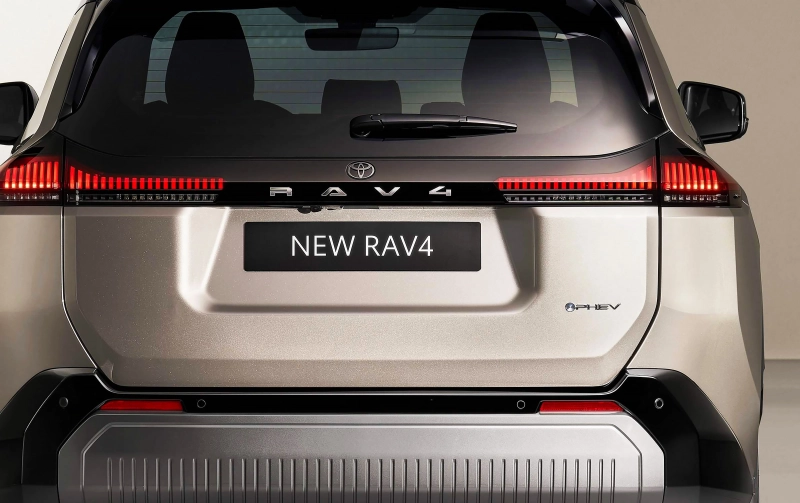
The automotive market is undergoing a period of radical transformation, and plug-in hybrid vehicles (PHEVs) have been presented for years as the “perfect bridge” between the polluting past of combustion engines and the sustainable 100% electric future. However, a recent massive study in Germany deals a coup de grace to this perception, revealing a harsh reality: the huge discrepancy between laboratory figures and drivers’ experience at the pump.
The research, led by the prestigious Fraunhofer Institute for Systems Research and Innovation (ISI), in collaboration with five other institutions, analyzed data collected from an impressive sample of one million vehicles manufactured between 2021 and 2023. The results are described as "shocking" even by Patrick Plötz, the coordinator of the study.
Although PHEVs promise a very low fuel consumption in brochures, often below 2 liters per 100 km, real data shows an average of 5.9 liters/100 km. In percentage terms, the real consumption is 300% higher than the officially declared one (four times higher), turning the promise of "green" mobility into a simple marketing strategy or a homologation trick.
In theory, a plug-in hybrid is ideal: you drive your daily commute on electricity and use the petrol or diesel engine only for long journeys. In practice, the study shows that the reality is much more prosaic. Pure electric driving represents, on average, only a quarter (27% - 31%) of the total driving time.
This poor use of the battery negates the benefits of the hybrid system. When the battery is not consistently charged, the car becomes a cumbersome conventional vehicle, "punished" by the additional weight of the electrical system (battery and electric motor), which inevitably leads to high fossil fuel consumption.
The study is not just about the driver's wallet, but also raises serious alarm bells about the European Union's environmental policies. PHEVs are essential for car manufacturers to meet fleet targets for CO2 emissions and avoid hefty fines. However, real-world carbon dioxide emissions are three to five times higher than the values obtained in laboratory tests (WLTP).
“PHEVs show on-road fuel consumption in the same order of magnitude as conventional internal combustion vehicles,” the report’s authors note. This finding calls into question the government subsidies offered in many European countries for the purchase of these cars, which, in the hands of a user who does not charge the battery daily, pollute almost as much as a decade-old car.
The Fraunhofer Institute's research results come at a critical time, with the European Commission already monitoring real-world consumption data through mandatory onboard devices on new cars. If discrepancies persist, legislation is likely to change, forcing manufacturers to declare figures that are much closer to reality and possibly eliminating tax benefits for plug-in hybrid technology.
For the average consumer, the message is clear: a plug-in hybrid is only an effective solution if there is the discipline of daily charging. Without an available outlet at home or in the office, the “perfect compromise” becomes just a more expensive conventional car and much less environmentally friendly than the data sheet promises.