
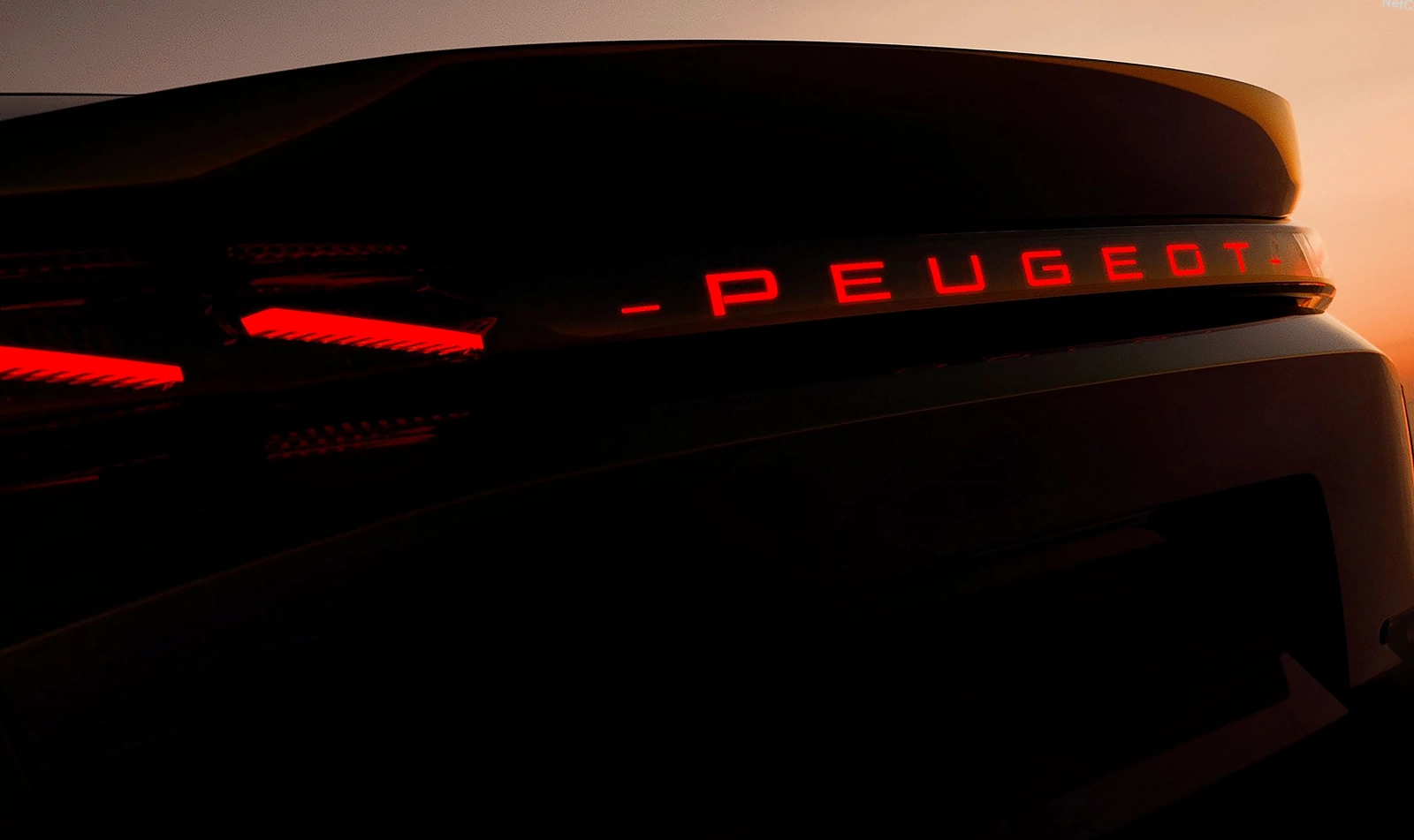
Peugeot is reconfiguring its plans for the near future. Although five years ago the French manufacturer promised a complete transition to zero-emission vehicles in Europe by 2030, the reality of the automotive market has required a more flexible approach. The Hexagon-based manufacturer has confirmed a product offensive that includes the launch of 7 new or updated models on the European continent by the end of this decade, combining new electric technologies with hybrid and gasoline versions.
The first models in this ambitious wave will be the new E-208 and E-2008. These will be the first cars within the Stellantis group built on the new STLA One modular architecture and will benefit from the latest generation STLA Brain electronic system.
However, Peugeot is not giving up on customers who prefer conventional powertrains. To maintain affordable options on the market, the current 208 and 2008 generations will receive substantial updates and will continue to be sold in parallel with the new electric versions, keeping the petrol and mild-hybrid engines on the existing platforms. This dual tactic covers the first four launches of the seven announced for Europe.
Alain Favey, CEO of the Peugeot brand, has dispelled speculation about the future of the compact range, confirming that the 308, 308 SW and 408 models will have dedicated successors.
Also based on the STLA One architecture, these three new models will be developed as multi-energy vehicles. This technical solution will allow Peugeot to adapt the range of engines (electric, hybrid or internal combustion) to the pace of adoption of electric vehicles in each European market.
“Our size and scale allow us to better bear certain additional costs compared to a low-volume brand. The benefit for Peugeot is that we access new technologies first, which is crucial because innovation has always been the driving force behind our brand.” — Alain Favey, Peugeot CEO
The launch plan supports an aggressive financial and commercial target: Peugeot aims to increase its global sales from 1.1 million units to 1.5 million vehicles per year by 2030.
In addition to the European market, the manufacturer is consolidating its presence in the Chinese market. Next year, Peugeot will launch two new models there, produced in partnership with Dongfeng. They will translate into series production a feline and aggressive design language, recently anticipated by the Concept 6 and Concept 8 prototypes presented at Auto China.