
While many global automakers are retreating, recalculating their electrification plans and welcoming the relaxation of environmental regulations, the giant Volkswagen chooses to press the accelerator on zero-emission vehicles.
In a complicated global context, marked by an oil crisis fueled by the conflict in Iran, sales of electric cars in the first half of this year have registered notable increases. For the Wolfsburg-based manufacturer, this is a clear signal that massive investments in electric mobility must continue. But the Germans' approach is no longer one based on legislative constraint, but on an extremely simple historical logic: electric cars will win because they will simply be better.
In an interview with the British publication Auto Express, Martin Sander, member of the executive board for sales, marketing and aftersales at Volkswagen, offered a realistic (and humorous) perspective on the automotive transition. In his opinion, the heated debate around banning internal combustion engines is completely wrong and unnecessary.
To support his argument, Sander used an analogy from the period when the first automobiles began to roll on the streets, gradually replacing animal traction:
"Do you know when horses were banned? When did it become illegal to buy horses? You can buy a horse today. Somehow, over time, more and more people realized that to get from point A to point B, a vehicle is better than a horse." - Martin Sander
The Volkswagen official believes that the public should not be scared or forced by government decrees, but convinced by the performance and usefulness of the new technology.
"I look out the window: there aren't many horses - there are mostly more cars. That's why I hate the talk about banning internal combustion engines. Everyone is talking about banning the combustion engine. How do you convince customers about a new technology if you only talk about when there will be a date when you won't be able to use these vehicles anymore?"
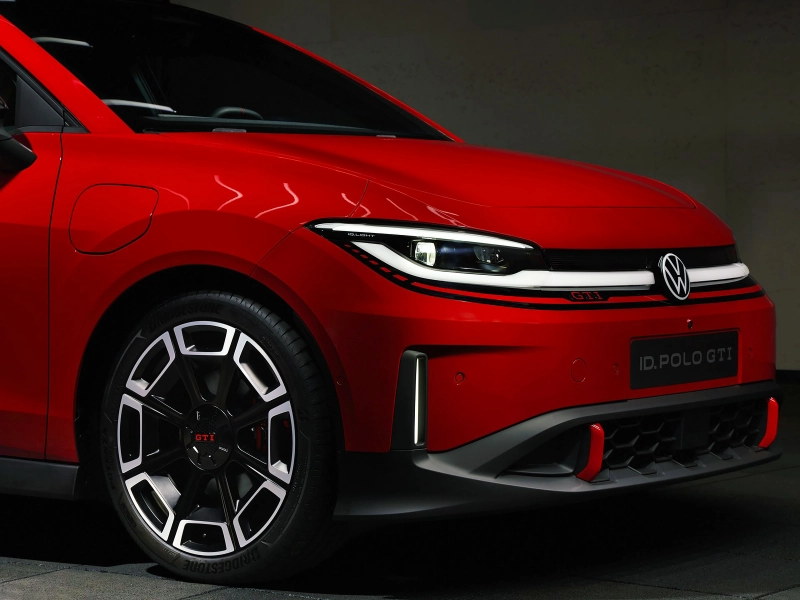
To demonstrate that the brand's plans are not just declarative, Volkswagen has launched two crucial electric models for the European market: the ID.3 Neo (a technological refresh of the electric hatchback) and the ID.Polo (a compact model, aimed at bringing electrification to more affordable segments). Moreover, the offensive is supported at the group level by brands such as Cupra and Skoda, which are rapidly expanding their zero-emission portfolio.
To make these models globally attractive, Volkswagen is using the experience gained in the most competitive and dynamic EV market in the world: China.
“Everything we learn in China helps us be competitive in all the other markets around the world where we compete with the Chinese. On our side, it’s about scale, efficiency and cost, and that’s what we’re working on diligently. We have to be competitive. There’s no alternative,” says Sander.
Instead of artificial deadlines, Martin Sander proposes that industry and governments focus on solving the real problems that keep drivers away from electric cars. The pillars of this persuasion strategy are clear:
In the German manufacturer's long-term vision, the market will naturally adjust itself. By 2035 or thereabouts, cars with combustion engines will be a mere niche. Sander estimates that only 3%, 4% or at most 5% of customers will still want to buy a vehicle with an internal combustion engine - just as today only a small group of enthusiasts still buy horses for transport.