
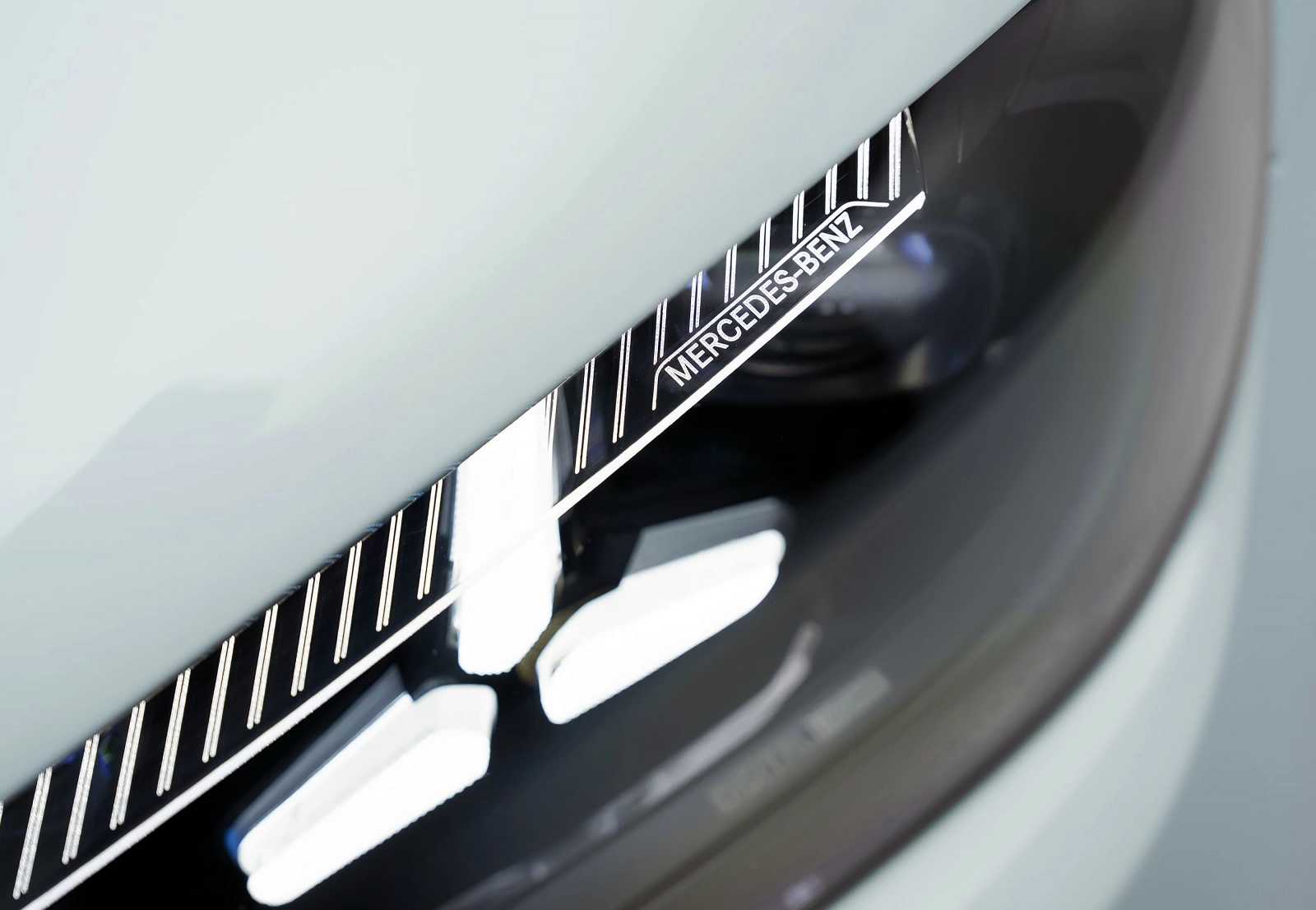
The traditional pillars of the European car industry are facing a wave of economic instability unprecedented in recent history. The Stuttgart-based manufacturer, Mercedes-Benz, has brought a new alarm signal to the global market, announcing the suspension of all future investments in its production facilities in Germany. The radical decision comes amid the failure of negotiations with union representatives on reducing wage costs and optimizing the operational structure, opening a bleak perspective that even includes the closure of some plants in its home market.
The critical situation Mercedes-Benz has reached is not an isolated incident, but the result of the convergence of several structural and macroeconomic factors that are weighing heavily on the German automotive industry:
1. High production and labor costs: German factories face some of the highest wage, tax and energy tariffs in the world. In a context where global competitiveness is dictated by extreme efficiency, these fixed costs are becoming unsustainable for profit margins.
2. Huge costs of the transition to electrification: The massive investments needed to develop new electric platforms and advanced battery technologies have overlapped with a European demand for electric vehicles that has grown at a much slower pace than manufacturers had anticipated.
3. Fierce pressure from Asian competition: Chinese electric vehicle manufacturers are coming with a significantly superior cost structure and rapid innovation, eroding the market share of European brands both domestically and in key foreign markets such as China.
4. Declining sales in key markets: Economic stagnation in Europe and changing consumer preferences in China have led to a decline in deliveries for luxury models, forcing brands to urgently rethink their production capacities.
While Mercedes-Benz is considering drastic measures, the other two giants of the German auto industry are navigating this critical period through different strategies, yet marked by deep tensions.
● Volkswagen Group – A historic crisis and tough negotiations: The largest European manufacturer is in an even more tense situation, facing the possibility of closing plants in the German market for the first time in its eight-decade history. The Wolfsburg management has held extremely tense negotiations with unions, demanding drastic wage cuts, revenue freezes and massive restructuring to avoid the bankruptcy of some divisions and cope with the decline in profitability.
● BMW – Flexibility and the “local for local” model: Unlike its direct rivals, the Bavarian manufacturer is managing to navigate this difficult period more steadily. BMW has so far avoided talks about closing plants thanks to the remarkable flexibility of its production lines, which can assemble both internal combustion engines and hybrid or fully electric versions on the same line. In addition, the supply strategy based on the “local for local” principle has partially protected the company from logistical bottlenecks and high transport costs.
The warning from Mercedes-Benz management – that factory closures are an option being considered if a compromise on costs is not reached – shows that Germany’s classic industrial model is under extreme pressure. The future of the country’s car plants now depends on the ability of unions and management to find a balance between operational flexibility and financial sustainability in an increasingly unforgiving global market.