
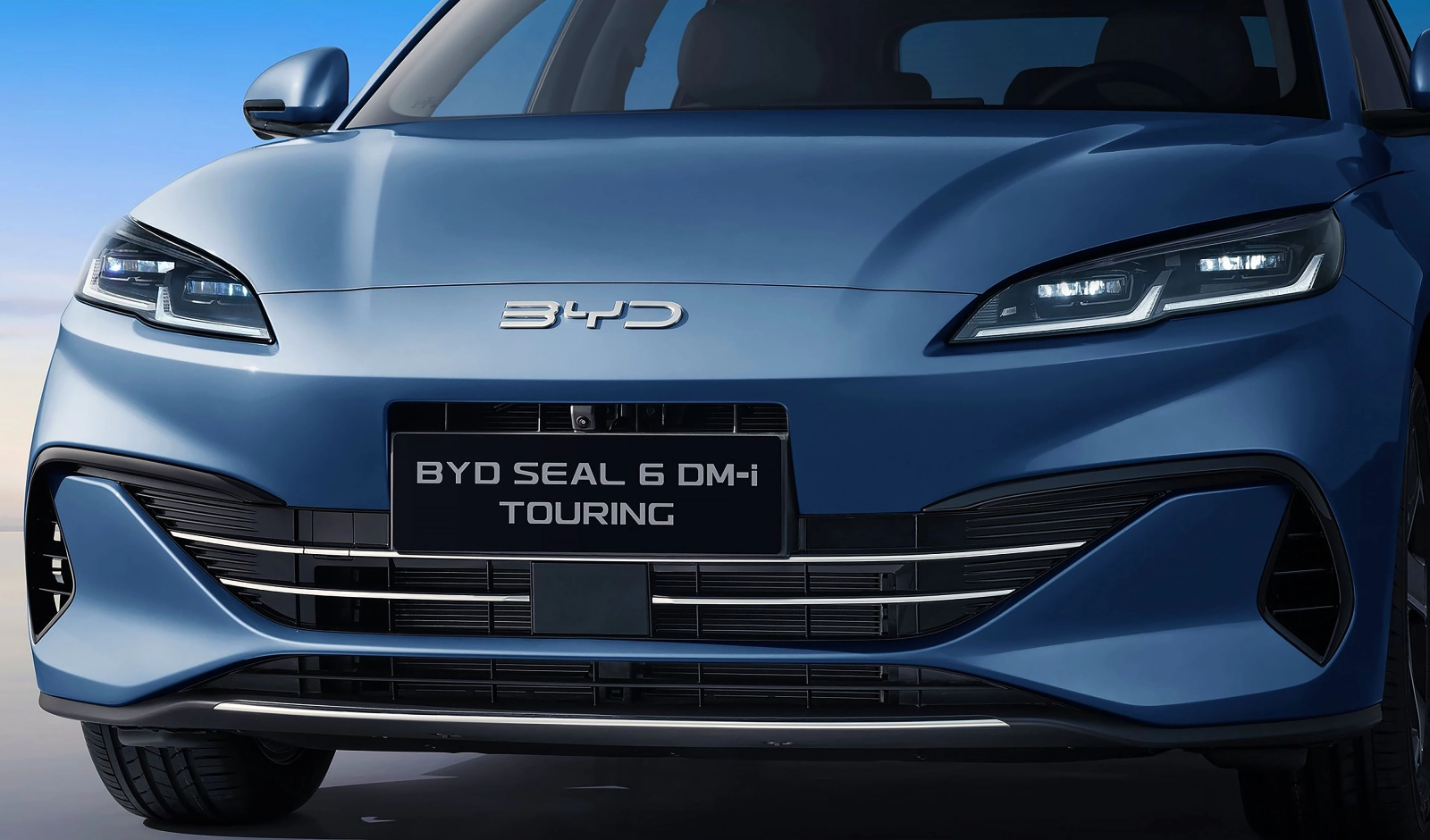
As modern cars become computers on wheels, constantly monitoring their surroundings with cameras, radars and sensors, the line between consumer technology and national security is becoming increasingly blurred. The German government and the Bundeswehr have taken a firm stance, imposing strict restrictions on access for connected cars deemed vulnerable within the perimeter of sensitive military targets. The move reflects growing concern across Europe about the potential use of data collected by vehicles for espionage or strategic intelligence gathering.
The German army has decided to limit the access of certain vehicles equipped with advanced connectivity systems and complex sensors in the vicinity of military bases, prioritizing the protection of state secrets and defense infrastructure.
● Rules applied by the Bundeswehr: The Ministry of Defense in Berlin confirmed that connected vehicles of some Asian brands, especially those produced in China, are facing bans or restrictions on access at the gates of military units. Since each local military command manages its own access regulations according to the specifics of the area, the measures can vary from one base to another, without a single centralized list published at national level.
● Measures for military personnel: Soldiers and active personnel who own vehicles targeted by these security suspicions are currently obliged to park their cars outside the barracks perimeter.
● Fears related to sensors and cameras: The decision is based on fears that the multitude of exterior-interior video cameras, ultrasonic sensors, radars and permanent data transmission systems could capture images or sensitive information from inside the bases, data that could reach the authorities in Beijing. Similar measures had previously been adopted in Poland, which introduced similar restrictions on vehicles made in China in February. However, German officials said that, so far, there was no concrete evidence that any vehicles had actually transmitted confidential data to foreign intelligence services.
The debate generated by the Bundeswehr's decision goes far beyond the boundaries of a single brand or a single geographical origin, calling into question the very nature of the modern motor vehicle.
● Expanded cyber risk assessment: At official press conferences in Berlin, ministerial representatives emphasized that the risk analysis covers connectivity functions and how data is processed, with a similar examination gradually being extended to all highly digitalized vehicles, regardless of their country of origin.
● Balancing innovation and privacy: The strict privacy standards imposed in the European Union (such as the GDPR) provide a safety net, but the complexity of the software and the huge data flows generated by connected cars are forcing member state authorities to rethink counterintelligence protocols around critical targets.
In contrast to the restrictive measures taken by the military authorities in Germany, the Romanian auto market is recording a completely different dynamic, characterized by increasing penetration and a growing openness on the part of local buyers towards Chinese manufacturers.
1. Sales evolution and market share: Brands like MG (owned by the giant SAIC) have managed to build a solid presence and a significant market share in the affordable segment, thanks to extensive networks of traditional dealers in Romania. At the same time, top players like BYD (the world's largest electric vehicle manufacturer) and Geely are rapidly expanding their distribution networks and local stocks, attracting an important segment of technology-oriented customers.
2. Pricing strategy and demand: The main asset of cars coming from Asia on the Romanian market remains the extremely advantageous ratio between price and the level of equipment offered. While an electric or hybrid car from a traditional European manufacturer can exceed considerable budgets, Chinese alternatives come with generous packages of comfort and safety features at extremely competitive prices (for example, compact hybrid or electric models frequently positioned in the 20,000 - 35,000 euro range).
3. Romanian consumer perception: Even though discussions related to cybersecurity or data origin occasionally appear online, the average Romanian buyer remains pragmatic. Financial accessibility, generous guarantees offered by manufacturers and much shorter delivery times compared to traditional European brands are making Chinese cars an increasingly common presence on the country's roads.