
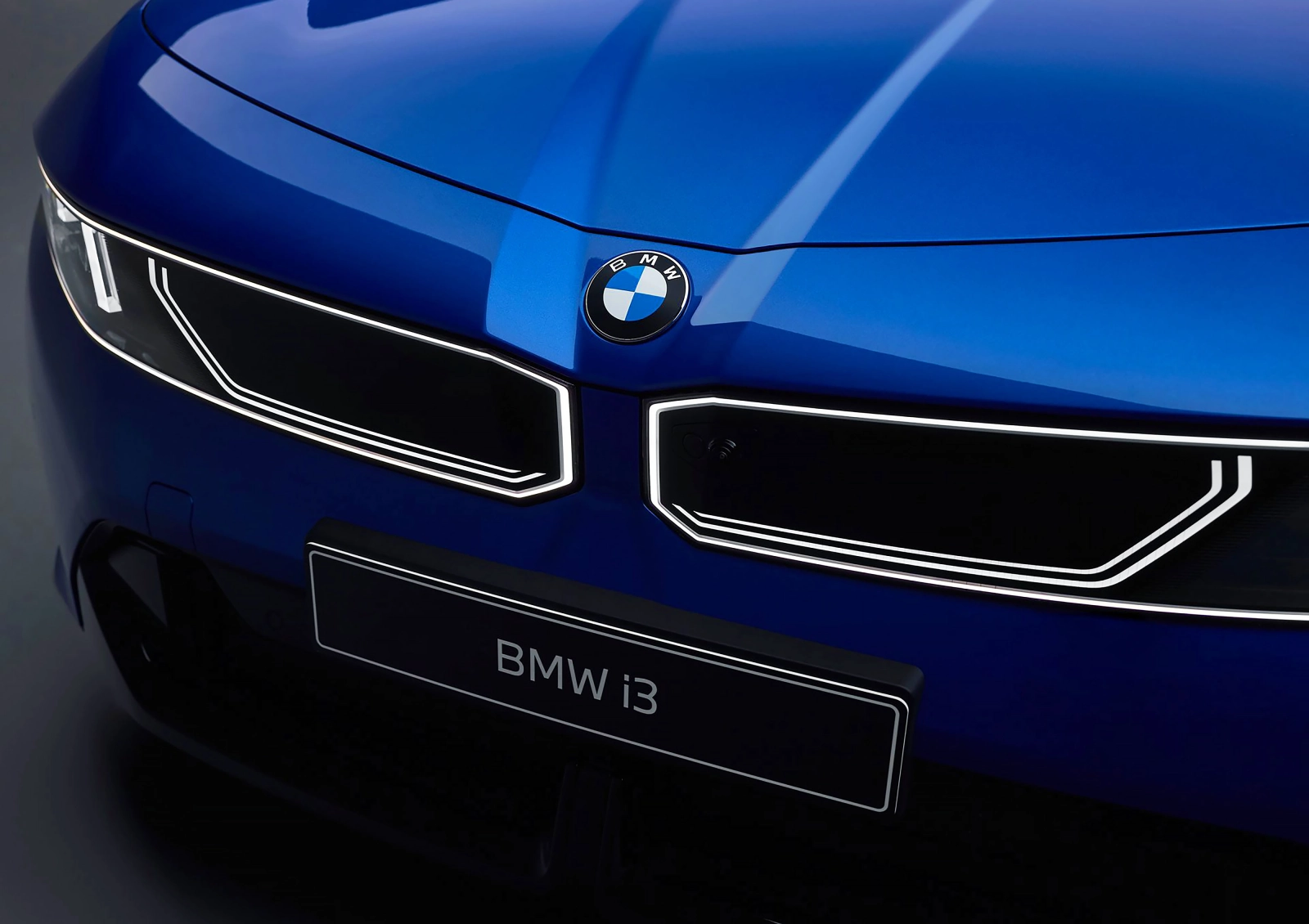
Munich — The new Neue Klasse era not only means a transition to efficient and highly digitalized electric vehicles, but also a redefining of safety standards for passengers and vulnerable road users. The Bavarian manufacturer has announced a significant expansion of the assistance systems package offered as standard equipment, debuting in the new electric SUV iX3, with the new technologies to be integrated into models such as the i3, X5 and 7 Series.
Among the major innovations included as standard is an advanced exit warning system with active door opening delay — a measure designed to eliminate dooring accidents for good.
The term “dooring” describes the often severe collisions that occur when a car occupant carelessly opens their door just as a cyclist or other light vehicle is passing by. The severity of this phenomenon is confirmed by data from the German Insurance Association (GDV), which shows that 8% of all accidents involving cyclists in Berlin (in 2024) were caused by improperly opening doors.
The system developed by BMW combats this problem through an active approach:
● 360° monitoring: The vehicle-mounted side radars constantly scan the environment around the parked car, detecting cars, bicycles or scooters approaching from behind or from the side.
● Temporary electronic locking: If a passenger tries to get out while another road user is in the danger zone, the electronic locking system delays the physical opening of the door until the risk of collision has completely passed.
● Multi-sensory warning: In addition to temporarily locking the door, the car emits visual and acoustic warning signals.
The effectiveness of these active safety systems is not just theoretical. BMW presented the conclusions of an extensive study based on anonymized data (collected with the prior consent of the owners) from 1.3 million cars equipped with the previous generation of assistance systems.
Analysis of fleet performance over a single month in Europe revealed impressive figures:
| Metric Analyzed | Recorded Figure (1 Month) |
| Total distance driven by analyzed fleet | 1.6 billion kilometers |
| Visual and acoustic warnings issued | ~8,000,000 warnings |
| Active interventions (steering / braking) | 243,977 cases |
The nearly 244,000 active interventions on braking and steering represent critical situations in which the vehicle's electronics acted autonomously or corrected the driver's maneuver, preventing imminent collisions.
By democratizing these technologies and introducing them as standard equipment in more and more range segments, BMW reconfirms its commitment to minimizing road risks in increasingly congested urban traffic.
A key question for owners and future buyers of the German brand is whether these advanced systems can be installed on existing cars via software updates or whether they are reserved exclusively for new models.
The answer depends directly on the hardware architecture of the car:
1. Models to be sold (Neue Klasse and future generations)
The standardization of the extended active safety package primarily targets the new generation vehicles that will roll off the production line, starting with the new BMW iX3 and continuing with the i3, the new X5 and the 7 Series.
This limitation on new cars is technical in nature, as the active door lock and delay feature requires tight hardware integration between three key components:
● Next-generation side radars: Short- and medium-range sensors that constantly scan blind spots and the space behind the parked car.
● Electronic door latch (e-latch): Electronic locking system that can physically delay the mechanical actuation of the door opening when it receives a locking impulse.
● New central processing unit (“Superbrain”): The Neue Klasse platform uses a liquid-cooled central supercomputer with the massive processing power needed to fuse sensor data and make locking decisions in fractions of a second.
2. What happens to models already purchased?
For current generation vehicles already in circulation, BMW continues to offer regular improvements via the Remote Software Upgrade (Over-The-Air) system. However, there are clear differences between warning and active intervention:
● Software optimizations on existing cars: Many recent BMW models already have visual and audible warning when lowering (lights on the mirrors or ambient LED strips flashing red). Through OTA updates, the manufacturer can improve the detection algorithms or the accuracy of the alerts on compatible cars.
● Physical intervention limit: Over-the-air updates cannot add mechanical or electronic door opening delays if the car was not equipped from the factory with electronic door lock mechatronics directly connected to the safety radar network.
Therefore, while the smart warnings can be refined remotely on some of the current fleet, the full system with active door delay becomes standard equipment exclusively on the new Neue Klasse models and future launches in the range.