
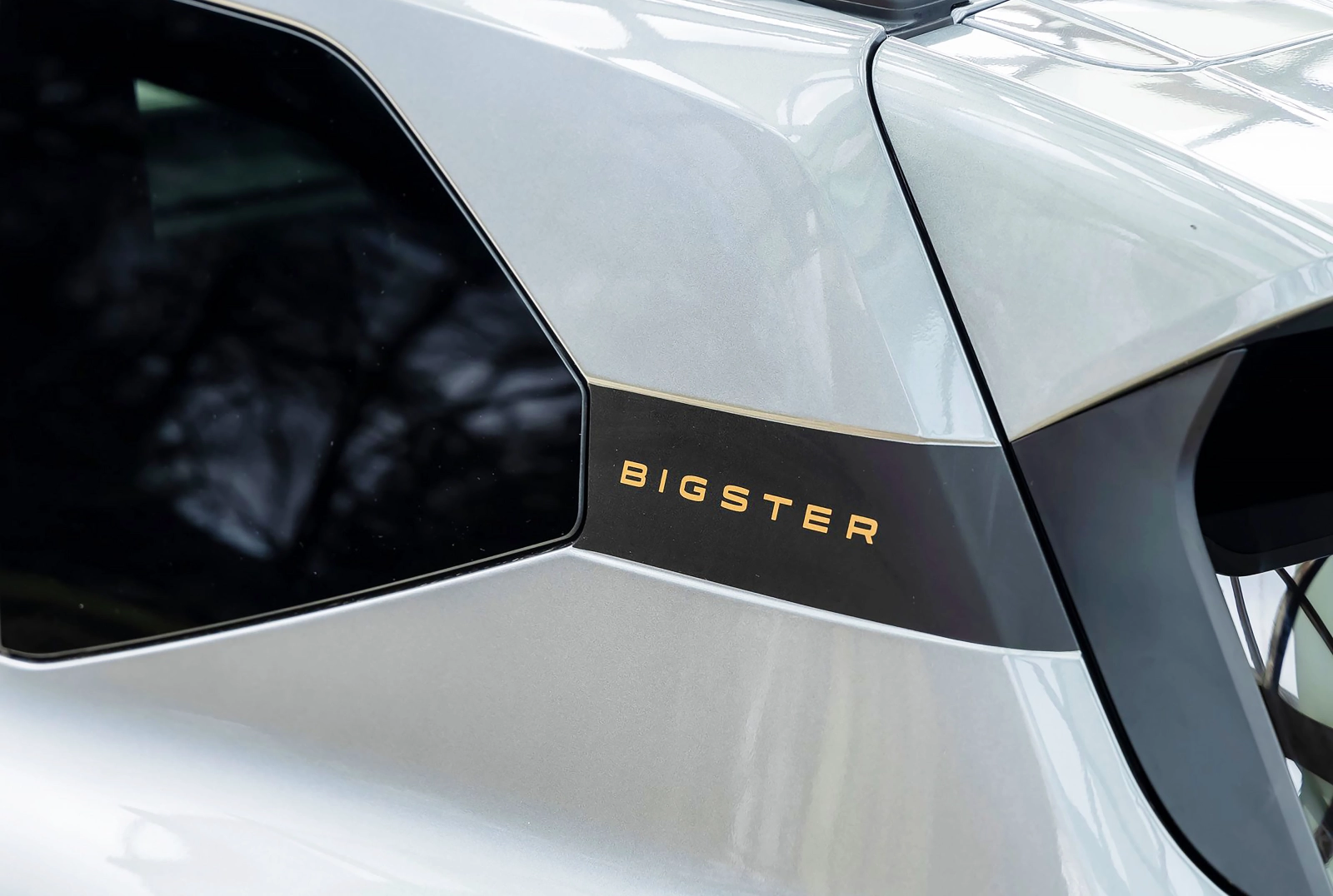
The Mioveni-based manufacturer is facing the first network-level reliability test for the newest member of its family. Dacia has officially initiated a service recall campaign targeting the new Bigster model, as well as its smaller brother, Duster.
The measure was taken after the brand's engineers identified a potential problem with the rear suspension, exclusively targeting versions equipped with all-wheel drive (4x4). Across Europe, the campaign affects over 6,200 vehicles.
In the case of the four-wheel drive versions of the Bigster and Duster models, the rear axle architecture is fundamentally different from that of the front-wheel drive (4x2) variants. This major design difference is dictated by the integration of an electric motor in the rear axle to ensure 4x4 traction.
According to official data, the problem was localized to the geometry of the rear suspension springs.
Identified risk: Due to this geometric imperfection, the car's behavior while driving may become inappropriate or unpredictable, jeopardizing the dynamic safety of the vehicle.
So far, Dacia has not detailed which specific engines are affected, but the common denominator remains clear: the all-wheel drive system.
The recall campaign has a European coverage, but some of the affected vehicles have already been delivered to the local market. Here is how the numbers are divided according to current data:
| Region | Affected Vehicles | Targeted Models |
| Europe (Total) | Over 6,200 units | Dacia Bigster & Dacia Duster (4x4) |
| Romania | 574 units | Dacia Bigster & Dacia Duster (4x4) |
What should owners do?
The standard procedure in such cases is simple and transparent. Dacia will directly contact the owners of the affected vehicles to invite them to the authorized service network.
This represents the first official recall campaign for the Dacia Bigster, an extremely important model for the brand's expansion strategy in the C-segment. The Duster's bigger brother officially entered the production line at the beginning of 2025.
Although service recalls are often viewed with reluctance by the public, in the modern automotive industry they represent proof of responsibility and constant monitoring of after-sales quality, especially in the case of new technological platforms at the beginning of their life cycle.