
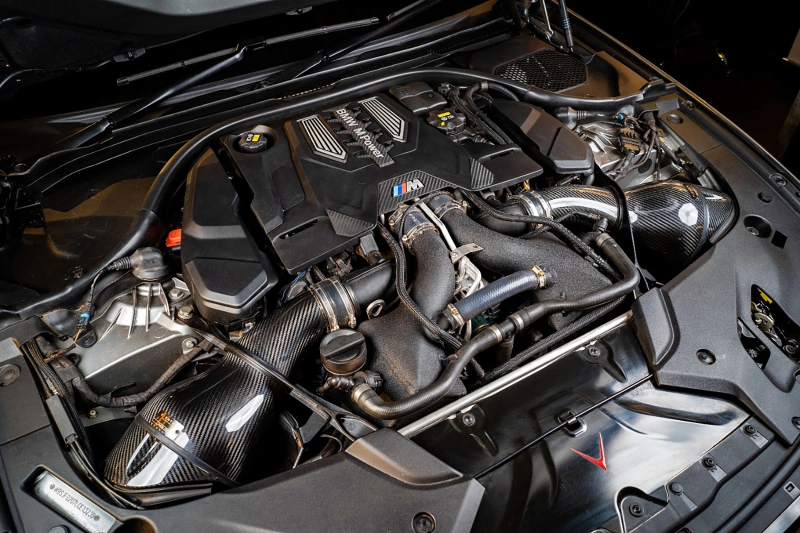
The European Union's ambitious plan to ban the sale of new cars equipped with combustion engines from 2035 has sparked heated debate across Europe. While the ultimate goal of achieving climate neutrality by 2050 remains firm, a recent revision of the perspective opens a lifeline for the internal combustion engine, with one essential condition: exclusively fueled with climate-neutral fuels.
This paradigm shift comes after significant pressure, particularly from Germany, a major force in the European car industry. German Chancellor Friedrich Merz has called for a rethink of the plan, stressing the need for technological neutrality and to maintain the competitiveness of the sector. The European Commission's response, while maintaining the target of a 100% reduction in CO2 emissions for new cars sold from 2035, allows a clear exception for vehicles using so-called "e-fuels" (synthetic fuels) or advanced biofuels.
This exception is based on the concept of carbon neutrality. If a fuel is produced by capturing CO2 from the atmosphere (e-fuels) or from renewable organic sources (advanced biofuels), the CO2 emissions released during combustion are considered offset because the CO2 has already been removed from the environment during the production process.
Advanced Biofuels (e.g. HVO100):
They are obtained, for example, from hydrotreated vegetable oils or animal fats.
It already represents an alternative to conventional diesel.
Manufacturers such as BMW and Audi have already developed diesel engines compatible with this type of fuel, which can reduce CO2 emissions by up to 90% compared to classic diesel.
E-Fuels (Synthetic Fuels):
They are produced by using electricity from renewable sources (wind, solar) to extract hydrogen from water (electrolysis).
Then, the hydrogen is combined with CO2 captured from the atmosphere or from industrial sources (Power-to-Liquids).
The result is a synthetic fuel that can be used in gasoline engines.
Porsche is a pioneer in this field, developing a production center in Chile, where abundant wind energy is used for this purpose. E-fuels promise a reduction in CO2 emissions of up to 90% and are carbon neutral.
Although the decision offers a breath of fresh air for the traditional auto industry and the millions of jobs in the field, the path is not without obstacles:
| Aspect | Battery Electric Vehicles (BEV) | Internal Combustion Engines (ICE) on E-Fuels/Biocombustibles |
| Cost | Expensive batteries, but low operating costs. | High production cost for e-fuels, expensive at the pump. |
| Infrastructure | Developing charging network, waiting time. | Can use existing distribution infrastructure. |
| Energy Efficiency | High efficiency (less energy lost). | Lower efficiency (energy lost in production and combustion). |
| Production | Requires critical raw materials (Lithium, Cobalt). | Requires enormous amounts of renewable electricity. |
Currently, the production cost of e-fuels is considerably higher than that of conventional gasoline and diesel, making this option more of a niche option in the short term, most likely for performance or luxury vehicles.
However, the fact that revised legislation is due to be published by the European Commission at the end of 2025 indicates increased flexibility. The German proposals even suggest including “highly efficient” combustion engines or plug-in hybrid vehicles (PHEV) as exceptions.
This evolution does not cancel the path to electrification, but it underlines the recognition that the energy transition requires multiple solutions, not just one. Maintaining internal combustion engines, coupled with green fuels, becomes a strategic pillar for a Europe trying to balance climate objectives with economic and industrial realities.