
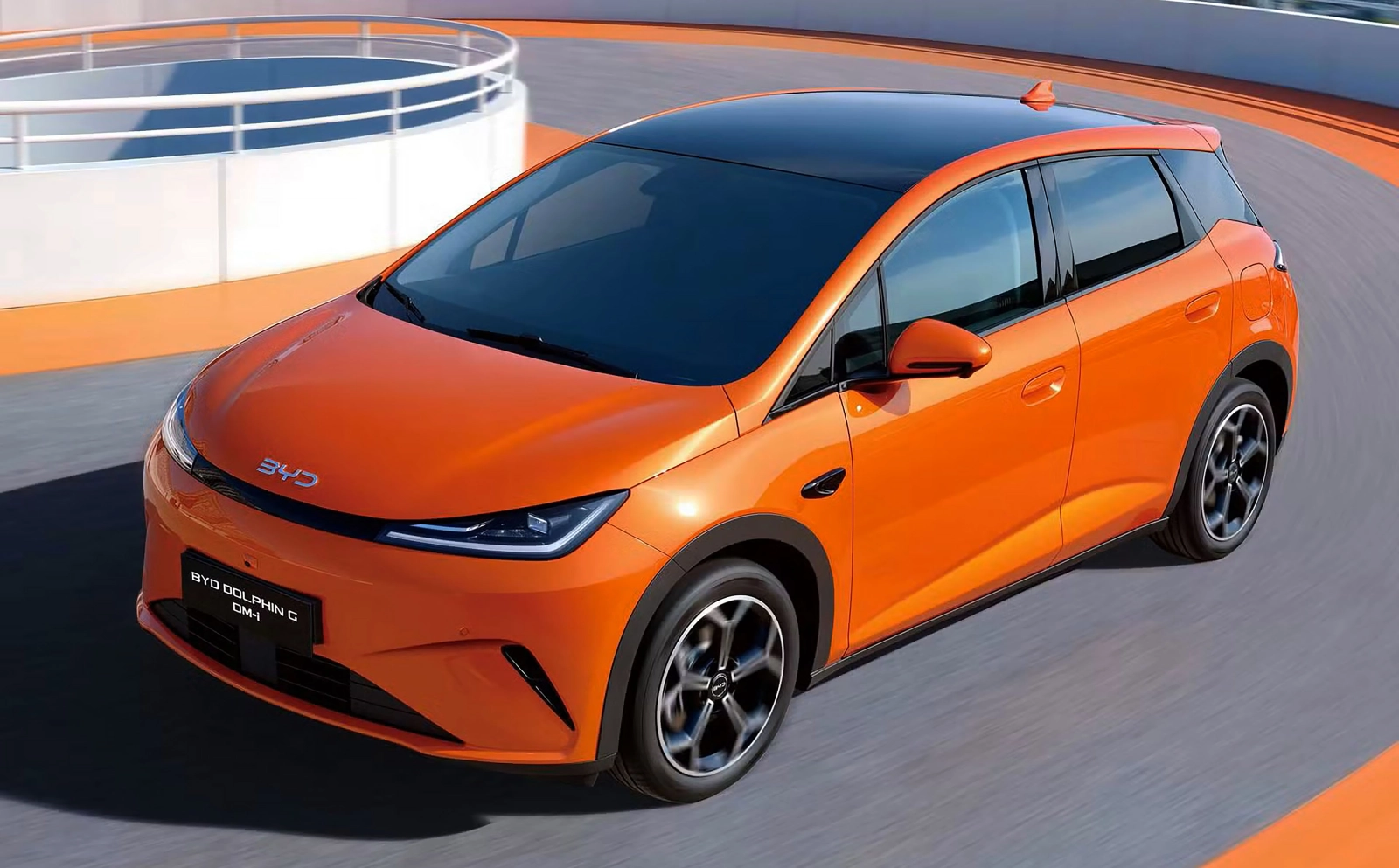
The global auto market is undergoing a period of major transformation, marked by intense negotiations between the major economic powers. Following prolonged discussions, the European Union and China have reached a crucial trade agreement aimed at regulating the flow of electrified vehicles. The new pact imposes strict limits on imports of hybrid and plug-in hybrid cars from the Asian state, striking a delicate balance between protecting local industry and maintaining open trade relations.
Specifically, the recent agreements set a maximum ceiling for the European market of exactly 350,000 hybrid and plug-in hybrid vehicles imported from China annually. This measure represents a significant reduction in the pace at which Asian hybrid models were flooding European ports and showrooms.
To ensure controlled market flexibility, the agreement also includes an increase clause: the established ceiling will be increased by 6% each year. The measure comes as a natural complement to economic policies aimed at protecting factories in Europe from what is considered unfair competition, in a context where delivered volumes have grown exponentially in recent years.
The decision to impose restrictions on hybrids is not accidental. While the European Union has already imposed substantial tariffs and high taxes on 100% electric cars imported from China, hybrid and plug-in hybrid cars have long benefited from a much more lenient tax regime.
Asian automakers quickly capitalized on this legislative gap, directing huge volumes to Europe. The strategy has proven extremely profitable: in the first eight months of the year, a giant like BYD sold more plug-in hybrid models on the Old Continent than fully electric cars, demonstrating the high appetite of European consumers for this transitional technology.
This aggressive expansion coincided with an extremely difficult period for the traditional European auto industry. Local manufacturers faced rising production costs, a difficult transition to electric mobility and a decline in demand in key markets.
The knock-on effects are already visible at the highest level. The Volkswagen Group, for example, recently announced drastic restructuring measures, including plans to cut a staggering 100,000 jobs and significantly reduce its model range to optimize costs. While some European manufacturers have rushed to launch affordable hybrid and electric alternatives, catching up with the Asian advance has proven to be an extremely difficult task.
The cap on imports at 350.000 units per year will radically change the plans of Chinese manufacturers. Instead of relying exclusively on exports from Asian factories, Chinese brands are practically forced to accelerate an alternative strategy already outlined: local production directly in Europe.
The process is already underway. Companies such as BYD, Leapmotor and Xpeng have already opened or own production facilities on the European continent to avoid customs barriers. At the same time, other major players, such as Geely and Changan, have confirmed concrete plans to build new plants in Europe in the near future, gradually transforming the European car market from one of imports into a pole of direct production for Asian brands.