
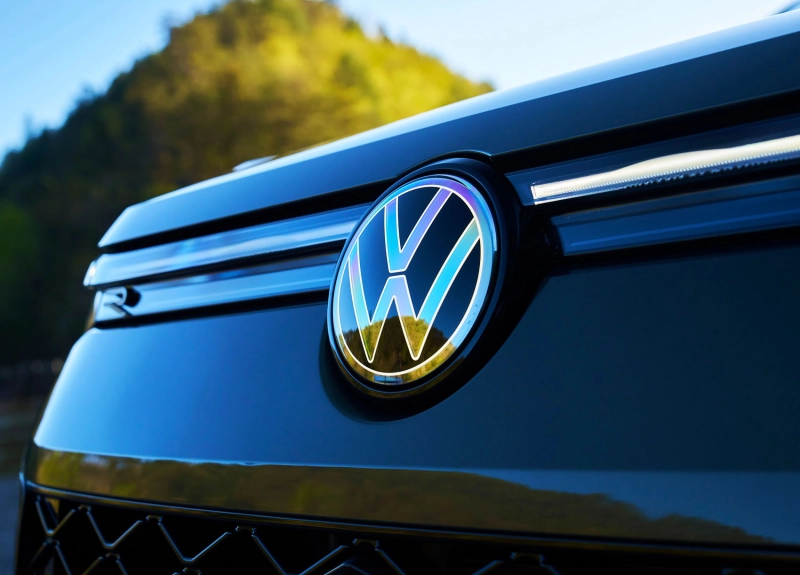
The European and global automotive landscape is constantly changing, and the adoption of electric vehicles (EVs) has not reached the exceptional pace that many manufacturers had anticipated. In response to this reality and the below-expected sales of pure electric models, Volkswagen is strategically reviewing its electrification plan, moving towards a solution that combines the advantages of electric propulsion with the elimination of "range anxiety": combustion engines as a range extender.
The Wolfsburg giant's new investment and electrification plan, which covers the next 5 years, appears to include a more pragmatic and flexible approach, adapted to the demands of the markets and the still-developing charging infrastructure.
The concept of an Extended-Range Electric Vehicle (EREV) is not new (it has been used, for example, by the BMW i3 or the Chevrolet Volt/Opel Ampera), but it is making a comeback, also inspired by its success in the Chinese market.
100% Electric Propulsion: The wheels are driven exclusively by the electric motor.
Heat Engine as Generator: An internal combustion engine (usually small in size) works as a generator to charge the battery when its level drops below a certain threshold, or when additional power is needed (for example, when towing).
Key Advantages:
Eliminating Range Anxiety: Drivers can travel long distances without relying solely on charging stations, quickly refueling with gasoline to recharge the battery.
Smaller Batteries: Using a range extender allows for the installation of smaller and, therefore, lighter battery packs, reducing the overall cost and weight of the vehicle. A VW official mentioned that instead of batteries over 80 kWh, smaller packs, supplemented by a generator, could be used.
Volkswagen is not only focusing on the European market. The EREV solution is already integrated into the strategy for two extremely important markets:
China: Electric models with range extenders are extremely popular in China. Volkswagen has already shown concepts such as the seven-seat ID. Era SUV, developed with partner SAIC, which promises a combined range of more than 1,000 kilometers (about 300 km in pure electric mode).
USA – Scout Brand: The clearest sign of this change in strategy is the relaunch of the American Scout brand, specializing in rugged SUVs and pickups.
The new Scout Motors brand, part of the Volkswagen Group, will launch its first production models, the Traveler SUV and Terra Pick-Up, in 2027. Although they were initially designed as purely electric vehicles, the two will also be available in range extender versions.
Technical Details (Estimates): According to press reports, the Scout's range extender will be a four-cylinder, turbocharged engine, likely sourced from VW Group sources. The estimated total range (electric + generator) is projected to exceed 800 kilometers, giving the EREV version additional towing advantages over the pure electric variant.
Production and Platform: The Scout models will be built on a new dedicated platform, but the Group's future electric platform, the SSP (Scalable System Platform), is also being developed to be compatible with this type of engine.
A brand official confirmed that Volkswagen is "monitoring market developments and has reserved the range extender concept for its future electric platform."
The fact that the SSP platform (designed for the new generation of electric vehicles, including the future electric Golf) is capable of integrating an internal combustion engine (which functions strictly as a generator) underlines the increased flexibility that Volkswagen is seeking.
This rapid adaptation shows that, although the long-term commitment remains electrification, the German manufacturer is willing to offer transitional solutions that address the main concerns of consumers (autonomy and charging time), ensuring a smoother migration to electric mobility.