
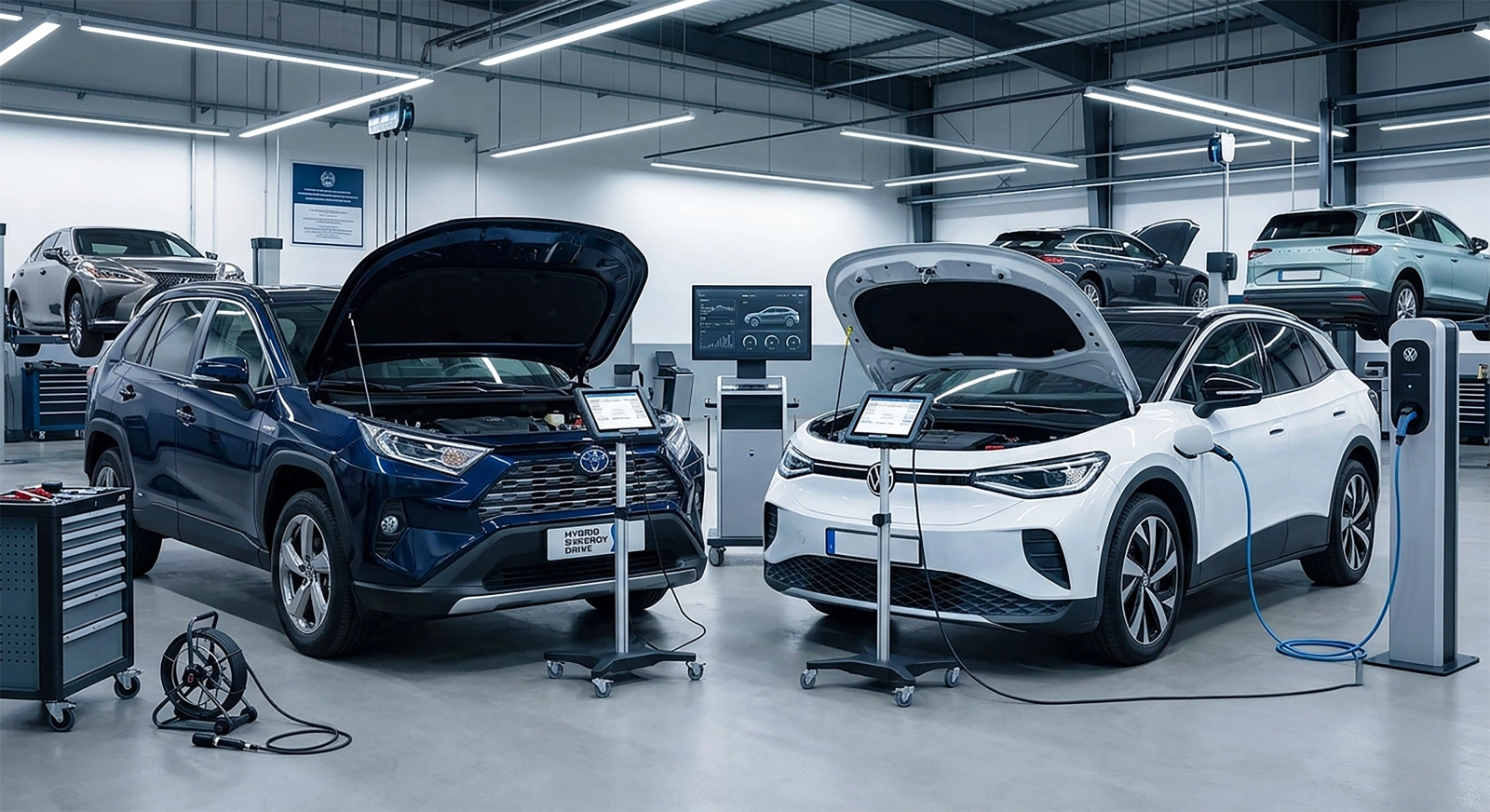
Odometer fraud on the Romanian used car market remains a deeply rooted and extremely profitable practice for unscrupulous traders. Although purchasing trends have diversified in recent years towards cleaner technologies, a recent study by the historical platform carVertical demonstrates that the fraud phenomenon has adapted quickly: electrified cars have become the new favorite targets for technical data manipulation, the stake being to mask premature wear of expensive components.
Despite increasingly severe environmental restrictions in major European cities and the general decline in the popularity of this type of propulsion, diesel engines maintain their undisputed leading position in the top preferences of Romanians on the second-hand market - and, implicitly, in fraud statistics.
According to data analyzed between January 2024 and March 2026, approximately 9% of all diesel vehicles checked on the platform in Romania had their mileage rolled back. The extent of the change is truly striking: on average, no less than 97,000 kilometers were erased from the history of such a car. This figure demonstrates that commercial fleets or commuter cars heavily used in Western Europe are massively imported, undergoing a major artificial “rejuvenation” before reaching domestic car parks.
The big surprise of the market research comes from the hybrid car segment, strategically positioned between conventional and fully electric propulsion. Although buyers opt for these models convinced that they are making a safe and environmentally friendly investment, the reality on the ground shows a worrying paradox.
Statistically, hybrid cars are less likely to be affected by this type of fraud, with it being detected in only 2% of verified cases. However, when the scammers decide to intervene on a hybrid, they do so in an extremely aggressive manner. On average, the mileage of these vehicles is reduced by approximately 96,000 kilometers, a value almost identical to that recorded in the case of diesel engines. This massive reduction hides an extremely severe combined wear and tear, both of the thermal engine and the assisted electrical system.
The zero-emissions (100% electric) car segment is no longer a safe zone for consumers either. CarVertical data indicates a fraud rate of 2.6% among electric cars verified in Romania, with an average odometer reading set at 75,000 kilometers.
"High mileage often means higher battery wear in electric vehicles, which reduces their range. As a result, buyers tend to avoid such cars. This creates a strong incentive for dishonest sellers to fraudulently reduce the mileage, in order to present the vehicle as being in better condition than it actually is," explains Matas Buzelis, automotive market expert at carVertical.
Last in this general ranking, but not to be neglected, are cars equipped with gasoline engines. They occupy the third position in terms of incidence, with 5% of the total having the odometer modified, but with the lowest average of the "correction" on the dashboard: approximately 67,000 kilometers.
The analysis by brand reveals specific vulnerabilities depending on the type of propulsion chosen, providing an alert guide for those looking for a used car:
100% Electric Cars Segment (Zero Emissions)
In this area, mileage fraud was most common in the following brands:
Skoda: 4.7% of cases
Nissan: 4.4% of cases
Ford: 4.4% of cases
Volkswagen: 4.0% of cases
Audi: 3.5% of cases
Hybrid Car Segment
When it comes to hiding high mileage to mask hybrid battery degradation, the top of affected brands is opened by an extremely popular brand in this niche:
Toyota: 5.3% of cases
Lexus: 3.3% of cases
Peugeot: 2.9% of cases
Ford: 2.9% of cases
BMW: 1.8% of cases
The expert analysis highlights the vital importance of checking the full history of a vehicle before purchase. The move to green technologies does not eliminate the risk of fraud, but only changes the financial arguments behind a still insufficiently regulated second-hand market in Romania.