
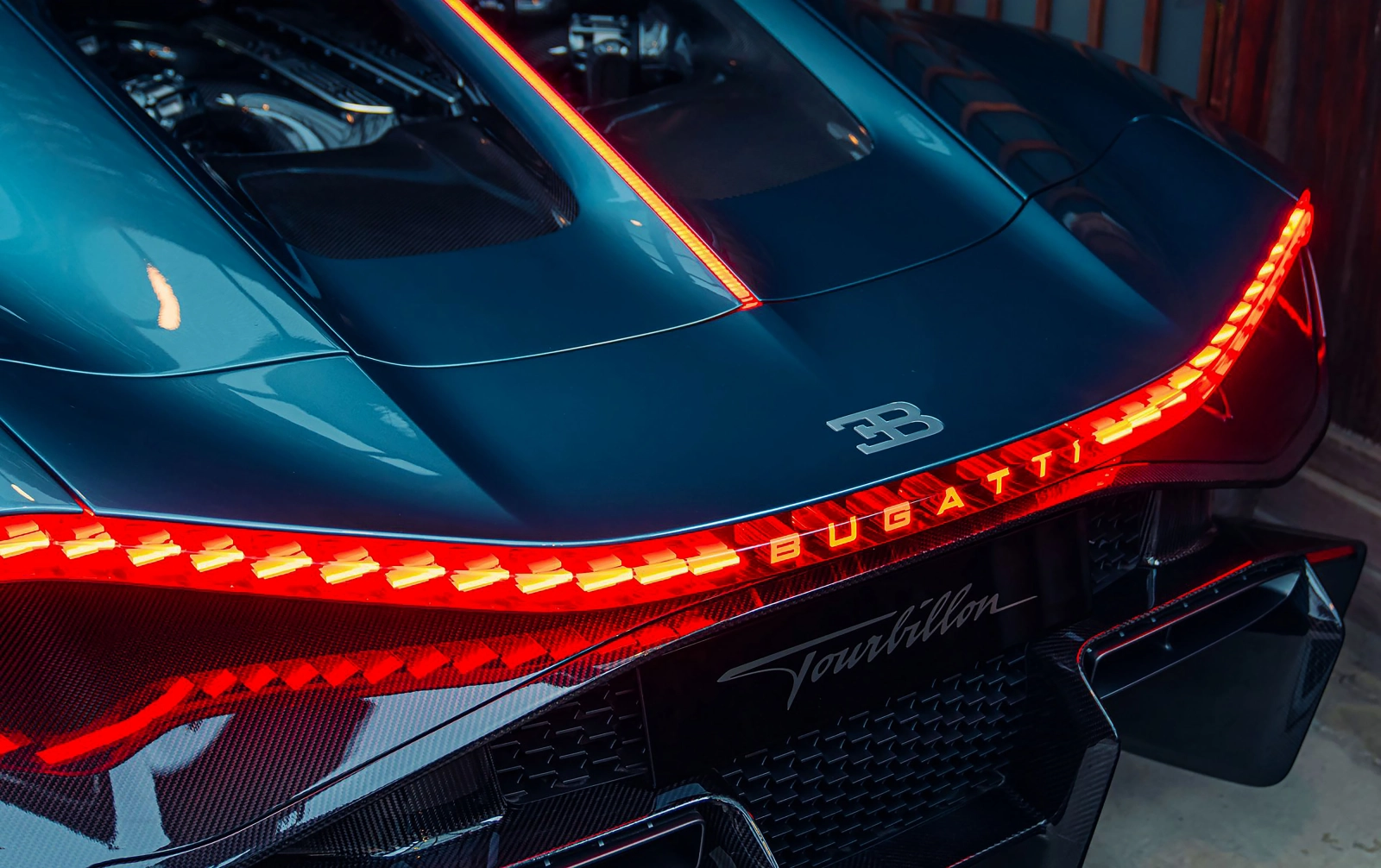
The Volkswagen Group has officially closed one of the most ambitious and exclusive chapters in its automotive history. Porsche has completed the sale of its last stake in Bugatti to Croatian manufacturer Rimac, in a transaction valued at around 1 billion euros. 28 years after the takeover, the French hypercar brand is saying goodbye to the German giant for good.
Bugatti entered the Volkswagen portfolio in 1998, at the visionary initiative of the late Ferdinand Piëch, the head of the German group at the time. At the time, in a precarious financial situation, the Molsheim brand was transformed by VW into a true showcase of unprecedented engineering.
Under German leadership, Bugatti made history with iconic models such as the Veyron and its successor, the Chiron. Both broke the barriers of automotive physics and held the title of the fastest production car in the world, consecrating the brand as an absolute symbol of extreme performance and unlimited luxury.
The transition began gradually in 2021, when Porsche and Rimac Group created the joint entity Bugatti Rimac. In the original formula, the Croatian company owned 55% of Bugatti shares, while Porsche retained 45%, along with a 20.6% stake in the Rimac Group.
The sale of the remaining 45% by Porsche, made official on September 9, marks the definitive handover of the baton to Mate Rimac and his holding company. The €1 billion transaction completes the French brand's independence from the corporate structures in Wolfsburg, paving the way for new hybrid and electric hyper-performance technologies.
Bugatti's exit from the German portfolio is not an isolated event, but part of a deep strategic reorganization of the Volkswagen Group. Faced with the huge costs generated by the transition to electric vehicles, digitalization and the streamlining of mass production, VW management is aggressively reassessing its non-core assets.
In this context, Volkswagen's desire to sell off the Italian motorcycle brand Ducati is once again a hot topic on the board's agenda. Acquired in 2012 through the Audi division — another personal desire of the same Ferdinand Piëch —, Ducati was seen by many financial analysts as a prestigious acquisition, but alien to the main objective of an automaker.
Although Ducati is a profitable, extremely valuable brand with an enviable sporting track record, its presence in an automotive group focused on modular volume platforms and electrification is increasingly difficult to justify from an economic point of view.
Institutional investors have repeatedly pressed Volkswagen management to sell the Italian brand, arguing that the funds raised could be more effectively directed towards developing its own batteries and software. While powerful German unions have strongly opposed the Ducati sale in the past, the precedent set by the final exit from Bugatti shows that Volkswagen is ready to give up its non-essential crown jewels to secure its future.
The Bugatti-Rimac transaction confirms a definitive paradigm shift in Wolfsburg: the era of ultra-luxury passion projects is over, giving way to an era of strict financial pragmatism, in which even legendary brands like Ducati may soon find a new owner.