
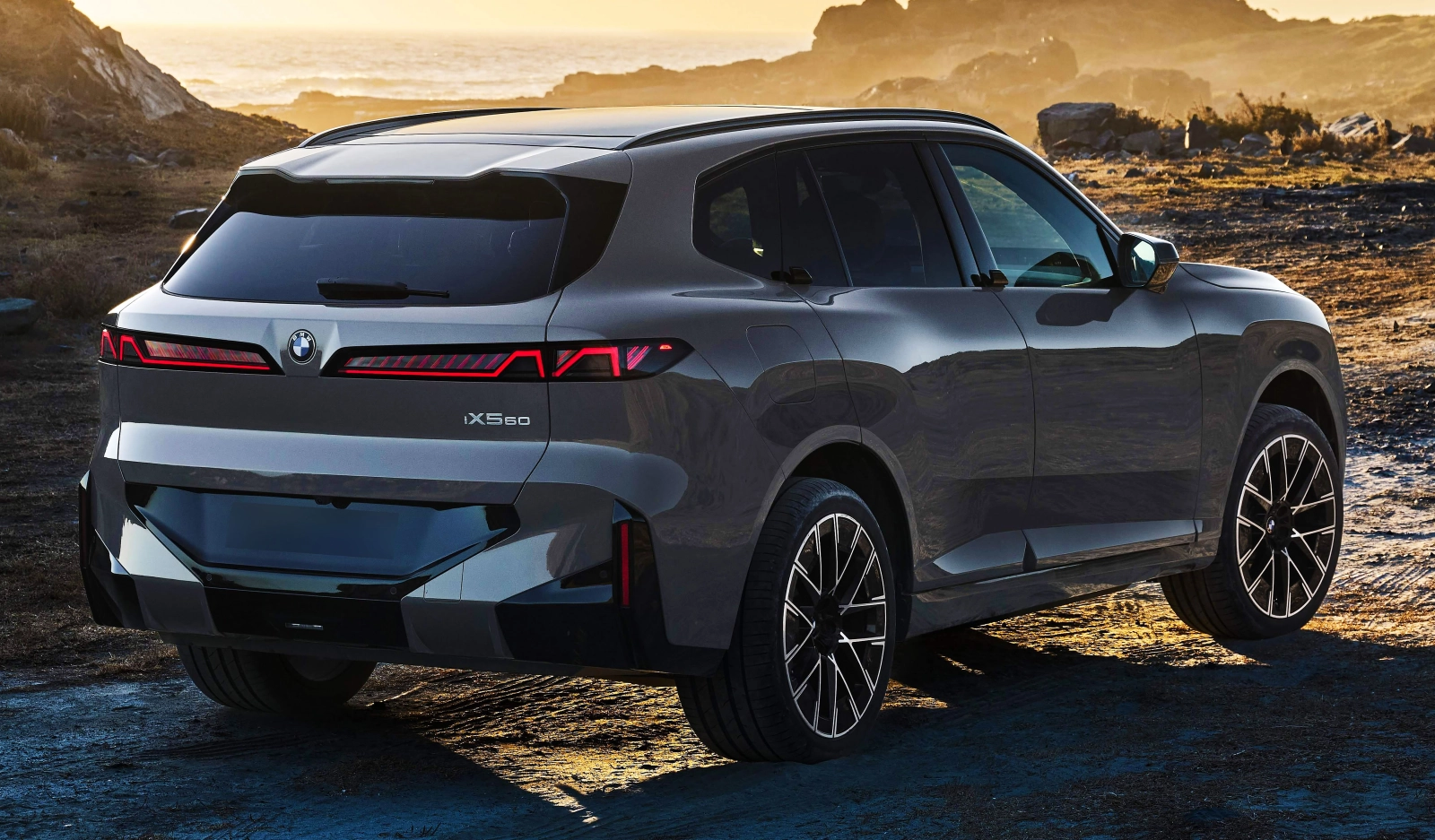
MUNICH / BUCHAREST – The German auto industry, considered for decades the unstoppable engine of the European economy, is going through a period of unprecedented turbulence. Bavarian manufacturer BMW announced on Wednesday, July 29, 2026, the launch of a massive staff reduction program, through which it will eliminate 8,000 positions by 2027.
The decision comes amid falling profits below expectations, weak demand for vehicles manufactured in Germany and increasingly aggressive pressure from Chinese automakers.
The layoff program was agreed in detail between the management of the Munich-based car group and the works council. The restructuring will not affect the entire staffing structure, but is targeted at administrative and innovation sectors:
● Targeted divisions: The layoffs will affect only administrative and research and development (R&D) positions.
● Production is protected: A company spokesperson confirmed that employees in production divisions and on assembly lines will not be laid off.
● Global impact: In total, 8,000 jobs will be eliminated from a workforce of about 150,000 worldwide.
"We need to accelerate our cost reduction efforts to maintain our competitiveness," stressed Milan Nedeljković, member of the BMW executive board.
According to analyses in the international press, the decision is directly caused by low profit margins, below investors' expectations, but also by the increasingly weak sales of cars produced on the European continent.
BMW's decision is not an isolated case, but part of a wave of massive restructuring affecting the entire German industry:
● Audi: Tens of thousands of workers protested at the Audi plant in Neckarsulm on Wednesday after management announced tough restructuring measures.
● Volkswagen and Mercedes-Benz: Both car giants recently decided to lay off tens of thousands of employees to cope with falling revenues.
● Porsche: The sports car manufacturer (part of the Volkswagen Group) announced a restructuring plan to reduce staff by 20% by 2035.
The main source of problems for Western manufacturers is the spectacular rise of China, which has become the largest global exporter of cars.
The European market has been flooded with more affordable Chinese electric cars, prompting EU governments and parliaments to launch a trade war based on protectionist tariffs. But the threat goes beyond the electric vehicle segment:
1. Dominance of conventional vehicles (ICE): Fossil fuel cars accounted for 76% of Chinese auto exports as of 2020.
2. Explosion of electric shipments: Sea shipments of Chinese electric cars jumped from 1 million to 6.5 million units per year.
3. Emerging and European markets under siege: US and EU automakers are facing increasingly tough competition from Chinese gasoline cars in countries such as Poland, Hungary, South Africa or Uruguay.
While the Bavarian giant is reducing its personnel expenses worldwide, the situation on the Romanian market is the opposite.
BMW Group Romania reports excellent results on the local market, where the German brand managed to exceed the historical threshold of 5,000 units delivered in a single year:
● Record result: BMW Group Romania registered 5,545 registrations (BMW + MINI).
● BMW brand: Reached a maximum of 5,229 cars (+6.9% compared to the previous year), maintaining its absolute leading position in the premium segment.
● Most popular models: The BMW X5 and BMW X1 SUVs each represented 13% of deliveries, closely followed by the BMW 4 Series (12%).
The decrease in subsidies from the Rabla Plus government program influenced the sales structure in Romania:
● Decline in electric vehicles (BEV): BMW's 100% electric models registered a 31% decrease (to 283 units) due to the reduction in state aid.
● Explosion in Plug-in Hybrid (PHEV): Romanian customers compensated by massively reorienting towards rechargeable hybrids, whose sales increased by 27% (1,049 units).
● Hybridization of the range: Mild-Hybrid technology (48V) currently equips 62% of BMW cars registered in Romania, proving the increased appetite of Romanians for energy efficiency.
"Just like at a global level, we managed to achieve an extraordinary result at a local level in a particularly difficult year, with many political and economic uncertainties," said the management of BMW Group Romania.
The restructuring announced by BMW clearly shows that the reorientation of the global auto industry is creating casualties among employees in administration and development, in an attempt by German manufacturers to protect their profit margins. However, the Romanian appetite for premium cars remains high, Romania representing an island of growth in a European landscape dominated by restructuring and economic slowdown.