
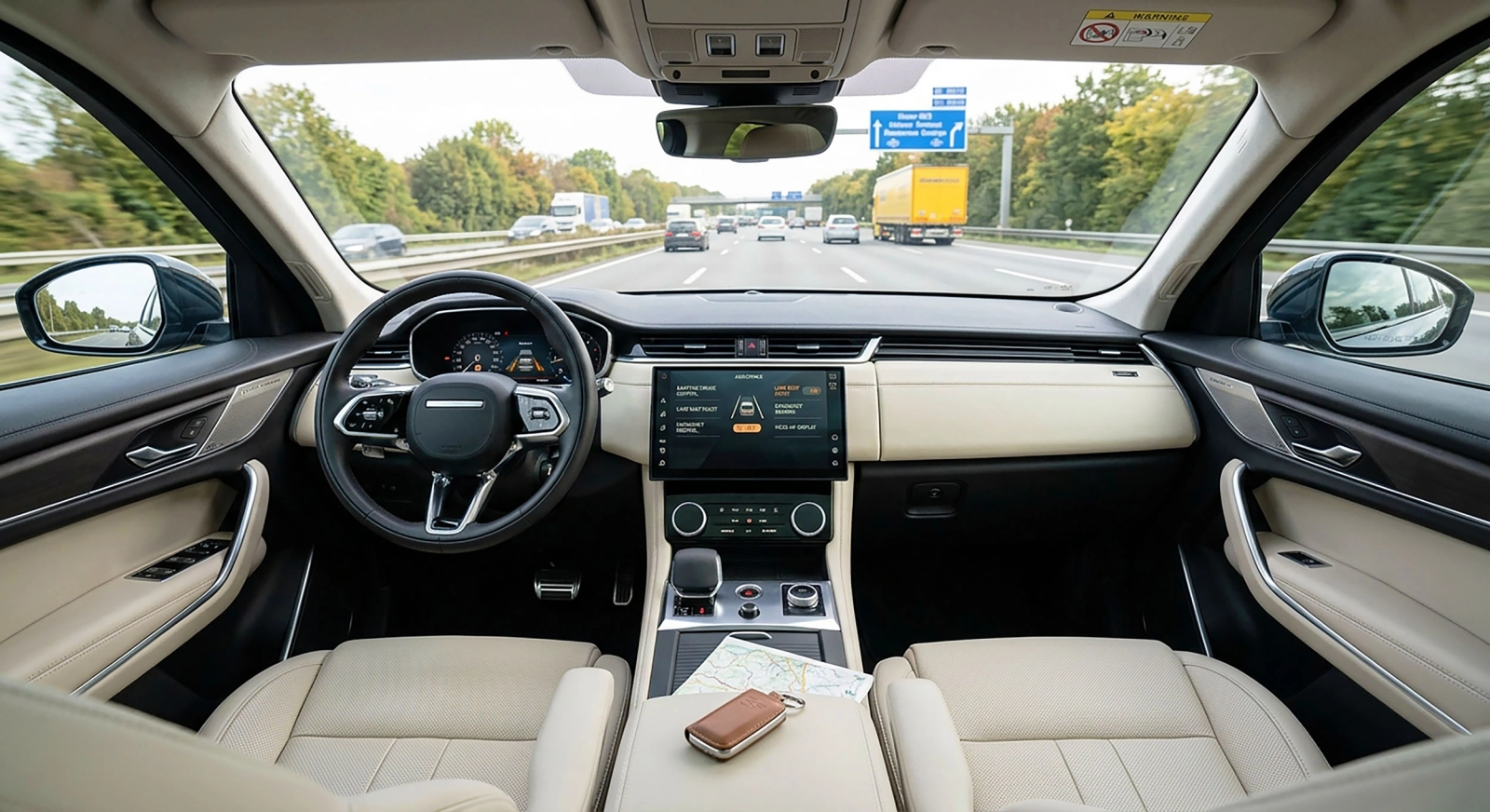
Modern cars have become veritable computers on wheels, but a recent UK study of 1,350 drivers found that 20% of drivers deliberately disable or ignore driver assistance features. The main reason is a lack of training when handing over the vehicle, combined with the intrusiveness of audible and visual alerts.
The reluctance to let the car take control is especially visible with advanced safety features:
● Automatic emergency braking: 21.3% of respondents disable it, considering it too aggressive or unpredictable.
● Adaptive cruise control (ACC): 25.9% have never used it, and 7% admit that they would not know how to activate it.
● Lane keeping: 18% of drivers prefer to turn this system off.
● Head-Up Display with augmented reality: 17.1% refuse to turn it on, and 7% do not understand how it works.
● Virtual assistant: 17.8% ignore it completely.
While expensive comfort options such as seat massage (used frequently by only 22% of owners) or remote start (24.5%) remain rarely activated, simple functions dominate daily preferences.
| Technology / Feature | Usage Rate |
| Bluetooth Connection | 58.3% (considered indispensable) |
| Reversing Camera | 45.7% (used regularly) |
| Built-in Navigation System | 44.5% |
| Heated Windshield | 41.0% |
| Driving Modes | 27.3% |
● 25–34 years old: Heavy users of Bluetooth connectivity (68.5%) and dynamic driving modes (38.3%).
● 35–44 years old: The most open group to inductive charging (44.4%).
● 45–54 years old: Pragmatic drivers who appreciate heated windshields (45%).
The gap between the features manufacturers offer and how they are actually used points to a direct problem with interface design and training. As long as dealers deliver cars without clear explanations and safety algorithms react abruptly, technologies designed to save lives will remain simply disabled options on the menu.