
The global automotive landscape is undergoing a profound reassessment of ergonomics and the way drivers interact with their cars. After several years of dashboards being transformed into true “tablets on wheels,” critical feedback from buyers is forcing some brands to reevaluate their excessive digitalization strategy. At the forefront of this change is Audi, which is preparing a completely redefined interior design for the next-generation A3, emphasizing mechanical controls, discreetly integrated screens, and materials of undeniable quality.
Since the Audi Concept C prototype was unveiled a year ago, the German automaker has been giving a clear indication of the visual and functional direction it is taking for its future models. The concept's interior emphasizes a simplified, airy design that is designed around traditional ergonomics, addressing customers who were unhappy with the disappearance of analog buttons.
Audi has repeatedly admitted that recent generations of vehicles have suffered in terms of perceived quality and ease of use. Clumsy touch interfaces and the elimination of control wheels have drawn harsh criticism in Europe and North America, where drivers prefer to operate the climate control system or audio volume without taking their eyes off the road.
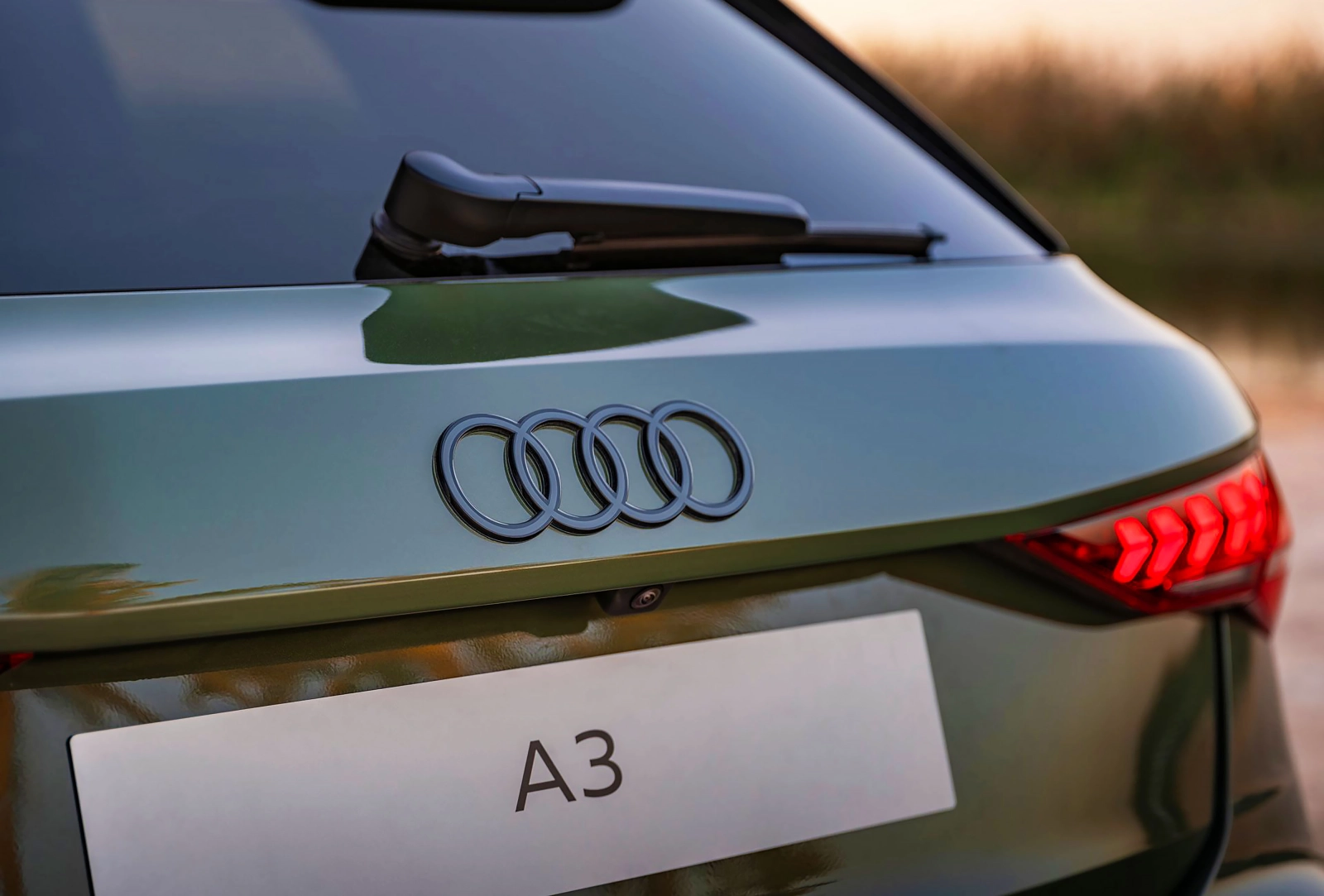
One of the first production models to adopt this new interior design philosophy will be the next-generation Audi A3. In a recent interview with the trade press, Audi's Chief Technical Officer (CTO) Rouven Mohr gave revealing details about how the interior of the upcoming compact model will look.
The philosophy internally called "Radical Next" or "Strive for Clarity" does not mean eliminating digital technology, but reintegrating it in a discreet and harmonious way. The next generation Audi A3 will retain the digital screens for the instrument cluster and multimedia system, but they will be smaller and better integrated into the dashboard, giving up the oversized floating screen look.
Physical controls – buttons, rotary switches and traditional levers – are making a comeback. In addition, Audi promises a drastic reduction in cheap plastic and a return to authentic finishes: if something looks like metal or wood, it will be made of real metal or wood.
The Audi official emphasized that preserving tactile elements is deeply anchored in the brand's identity: "You'll be surprised by so-called standard cars, how many elements you'll find in them." — Rouven Mohr, Audi Technical Director
“The reduced interior, the mechanical haptic feedback, the round steering wheel, the material quality... We believe it is part of our DNA to have physical elements – buttons and dials – and each of these should offer that classic Audi click and touch sensation.” — Rouven Mohr
The transition to these reconfigured interiors will be gradual across the entire range. While the next-generation A3 and the upcoming electric A4 will pioneer the new architectural language, other major models in the brand’s portfolio will transition to the new philosophy as they complete their current life cycles.
While Audi (along with other brands in the Volkswagen Group) is taking a step back and re-introducing analog switches, its historic Munich rival BMW has chosen the completely opposite path. With the launch of its new Neue Klasse model family, the Bavarians are doing away with physical controls almost entirely, moving all functions to large touchscreens, haptic panels and advanced voice assistants.
BMW's motivation is rooted in a different view of the modern buyer profile. The brand's internal studies show that new generations of drivers want smartphone-like interfaces and are accustomed to a multitasking lifestyle.
BMW leaders say that premium customers value the speed and flexibility of a digital interface. Vikram Pawah, CEO of BMW Group Australia, recently explained the rationale behind this decision:
“We can see that voice and touch are becoming more common. Maybe it’s a generational thing. You would see that a lot of the younger generation, those 45 years old and under, are familiar with these technologies at a faster pace, using voice and touch. They want things to be done quickly and they multitask. And we have to take that into account. That’s how customers are evolving.”
To compensate for the absence of physical buttons, BMW is betting on technologies such as Panoramic Vision (an advanced projection across the entire width of the windshield base) and voice commands optimized by artificial intelligence, claiming that this way the driver's gaze remains fixed on the road.
The diametrically opposed option of the two German giants reveals a strategic gap in the global auto industry:
● Audi strategy: It prioritizes tactile ergonomics, the safety of "blind" operation through muscle memory, and the feeling of traditional mechanical quality, directly responding to the demands of the European and North American markets.
● BMW strategy: It relies on total digitalization, minimalist cleanliness of the passenger compartment and voice control, targeting a younger audience oriented towards the latest technological gadgets.
This confrontation comes at a critical time for road safety. International bodies such as Euro NCAP have already penalized new car models since 2026 that do not retain physical buttons or levers dedicated to basic functions (turn signals, hazard lights, wipers, horn).
Whether BMW's strategy will succeed in convincing in the long term or whether the pressure of safety regulations and traditional customers will force the Bavarians to return to analog controls remains to be seen. What is certain is that the future Audi A3 promises to be a breath of fresh air for drivers who miss an ergonomic interior, made of premium materials and equipped with the irresistible German mechanical "click".